يدخل قطاع صناعة الروبوتات مرحلة طفرة، ومن المتوقع أن يكون عام 2026 عاماً حاسماً بالنسبة للمؤسسين الذين يستكشفون أفكاراً جديدة في مجال الروبوتات. نظرًا لأن الأتمتة أصبحت ضرورية في مجالات الخدمات اللوجستية والرعاية الصحية وتجارة التجزئة والخدمات الغذائية، فإن الطلب على التقنيات التي تحل تحديات العالم الحقيقي في تزايد مستمر. يشجع هذا التحول المزيد من الشركات الناشئة في مجال الروبوتات على بناء حلول تعالج المشاكل الحقيقية وتدعم الشركات الصغيرة وتجلب الابتكار إلى العمليات اليومية.
مع التقدم في مجال الذكاء الاصطناعي والتعلم الآلي والأنظمة ذاتية التشغيل، أصبح من السهل على شركة الروبوتات إنشاء نموذج أعمال قابل للتطوير يحقق نتائج متسقة. ينجذب المستثمرون بشكل متزايد إلى الروبوتات لأن هذه التقنيات تعمل على تحسين خدمة العملاء وتعزيز الكفاءة وإطلاق العنان للقيمة الاقتصادية على المدى الطويل. بالنسبة لمؤسسي الشركات الناشئة المستعدين للدخول في صناعة سريعة النمو، يوفر عام 2026 نافذة مثالية لبناء مشروع روبوتات ناجح.
أهمية قابلية التوسع في شركات الروبوتات الناشئة
بالنسبة لأي مؤسس يستكشف أفكاراً تجارية للروبوتات، تلعب قابلية التوسع دوراً محورياً في النجاح على المدى الطويل. إن شركة الروبوتات التي تصمم حلولاً قادرة على التوسع عبر الصناعات أو المواقع من المرجح أن تنجو من التغيرات التكنولوجية السريعة. تسمح أنظمة الروبوتات القابلة للتطوير للشركات بالتكيف بسرعة، وتقليل التكاليف، ونشر وحدات روبوتات متعددة دون إعادة بناء نموذج أعمالها بالكامل. هذه المرونة ضرورية للشركات الناشئة في مجال الروبوتات التي تهدف إلى دخول الأسواق العالمية والتنافس مع المنافسين ذوي التمويل الجيد.
تضمن قابلية التوسع أيضاً استمرار تقنيات الروبوتات في حل المشاكل الحقيقية مع تطور الصناعات. سواء كان الهدف هو تحسين خدمة العملاء، أو دعم الشركات الصغيرة، أو أتمتة تدفقات العمل المعقدة، فإن الحلول القابلة للتطوير تساعد المؤسسين على بناء مشروع روبوتات ناجح مع نمو يمكن التنبؤ به. من خلال التركيز على التصميم المعياري والاتصال السحابي والأتمتة الموثوقة، يمكن لشركة روبوتات ناشئة إنشاء منتجات تقدم قيمة ثابتة، بغض النظر عن حجم السوق أو القطاع.
فكرة أعمال الروبوتات #1: روبوتات المستودعات القائمة على الذكاء الاصطناعي
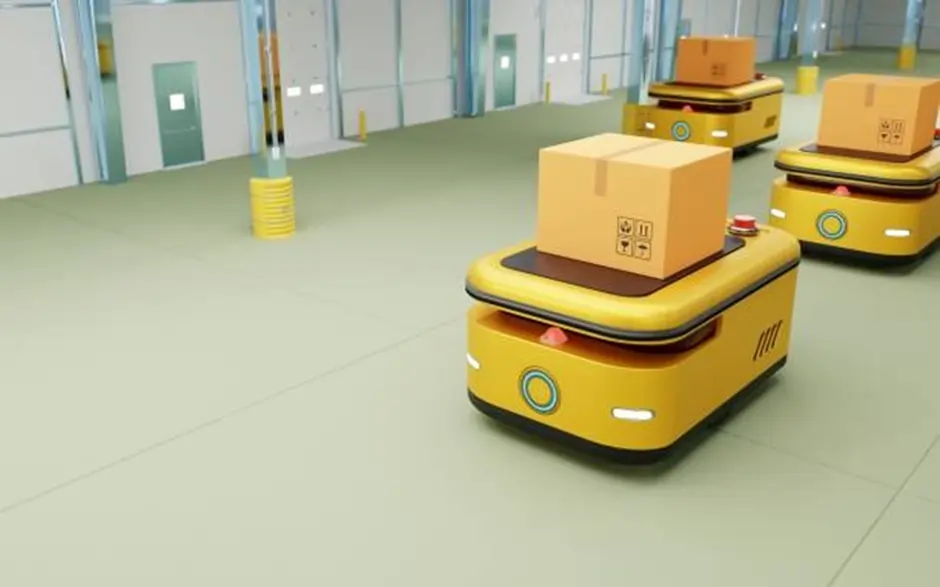
لا تزال أتمتة المستودعات التي تعتمد على الذكاء الاصطناعي واحدة من أقوى أفكار أعمال الروبوتات للمؤسسين الذين يدخلون مجال الأتمتة. مع توسع سلاسل التوريد العالمية وارتفاع توقعات العملاء، تحتاج الشركات إلى أدوات أكثر ذكاءً للتعامل مع المخزون وتقليل الأخطاء وتحسين سرعة التسليم. وهذا يخلق فرصة قوية لأي شركة روبوتات تركز على الأتمتة المتقدمة التي تحل تحديات العالم الحقيقي داخل المستودعات الحديثة.
لماذا تتمتع هذه الفكرة بإمكانيات قوية
- تساعد الشركات على إدارة المخزون بدقة
- يقلل من تحديات العمل ويحسن كفاءة سير العمل
- يعمل في مختلف الصناعات، ويدعم كلاً من الشركات الكبيرة والصغيرة على حد سواء
- يسمح للشركات الناشئة في مجال الروبوتات بتقديم أنظمة قابلة للتطوير مع نمو طويل الأجل
ما الذي يجعلها قابلة للتطوير
يمكن لروبوتات المستودعات التي تعتمد على الذكاء الاصطناعي أن تتوسع بسهولة إلى بيئات مختلفة، من مراكز توزيع التجزئة إلى مرافق التجارة الإلكترونية. إن الروبوتات المجهزة برؤية الكمبيوتر والملاحة الذكية والتعامل الآلي مع المهام قادرة على حل المشاكل الحقيقية باستمرار بغض النظر عن حجم المستودع. مع وجود فريق هندسي مناسب ونموذج عمل موثوق به، يمكن للمؤسسين بناء مشروع روبوتات ناجح ينمو جنباً إلى جنب مع الطلب العالمي على التجارة الإلكترونية.
فكرة عمل الروبوتات #2: روبوتات التوصيل الآلي ذاتية التشغيل

سرعان ما أصبحت روبوتات التوصيل المستقلة واحدة من أكثر أفكار أعمال الروبوتات عملية، خاصةً مع تحرك العالم نحو توصيل أسرع وبدون تلامس. تواجه الشركات في مجالات البيع بالتجزئة وخدمات الطعام والتجارة الإلكترونية توقعات متزايدة بالتوصيل في نفس الساعة أو في نفس اليوم. يخلق هذا التحول فرصة قوية لأي شركة روبوتات قادرة على تصميم روبوتات تتنقل في الشوارع أو الحرم الجامعي أو المرافق الداخلية أثناء التعامل مع عمليات التسليم بدقة.
سبب ارتفاع الطلب على هذه الفكرة
- يقلل الاعتماد على عمال التوصيل البشريين
- يدعم الشركات الصغيرة التي تحتاج إلى حلول توصيل بأسعار معقولة
- تحسين خدمة العملاء من خلال عمليات التسليم الآلي السريعة والآلية
- يعالج تحديات العالم الحقيقي مثل الازدحام في ساعات الذروة وارتفاع تكاليف التوصيل
ما الذي يجعلها قابلة للتطوير
يمكن لروبوتات التوصيل المستقلة أن تعمل في مراكز التسوق والمجتمعات السكنية والحرم الجامعي ومجمعات الشركات، مما يجعلها مثالية للشركات الناشئة في مجال الروبوتات التي تسعى إلى النشر في مواقع متعددة. وبفضل أنظمة الذكاء الاصطناعي القوية وأنظمة رسم الخرائط واكتشاف العوائق، تستطيع هذه الروبوتات حل المشاكل الحقيقية للشركات من جميع الأحجام بشكل موثوق. يمكن للمؤسسين الذين يبنون نموذج أعمال مرن وقائم على الاشتراك أن يوسعوا هذا الحل بسهولة إلى مدن وأسواق جديدة، مما يساعدهم على بناء مشروع روبوتات ناجح.
فكرة أعمال الروبوتات #3: روبوتات الرعاية الصحية لرعاية المسنين
لقد برزت روبوتات الرعاية الصحية كواحدة من أكثر أفكار أعمال الروبوتات جدوى، خاصةً مع تقدم السكان في السن في جميع أنحاء العالم. وتبحث العديد من العائلات ومرافق الرعاية الآن عن حلول مساعدة موثوقة تدعم التنقل والتذكير بالأدوية والروتين اليومي. يمكن لشركة الروبوتات التي تركز على رعاية المسنين أن تبتكر أدوات تعزز الاستقلالية مع تقليل عبء العمل على مقدمي الرعاية.
سبب أهمية هذه الفكرة
- دعم كبار السن في التنقل والتذكير والمرافقة
- يقلل من الضغط على موظفي الرعاية في المستشفيات ومرافق الرعاية المعيشية المساعدة
- يعالج تحديات العالم الحقيقي مثل نقص مقدمي الرعاية
- تعزيز الكرامة والراحة لكبار السن من خلال الأتمتة الموثوقة
ما الذي يجعلها قابلة للتطوير
يمكن نشر روبوتات الرعاية الصحية في دور رعاية المسنين والمستشفيات ومراكز إعادة التأهيل وحتى أماكن الرعاية المنزلية. وهذا يعني أنه يمكن للشركات الناشئة في مجال الروبوتات توسيع نطاق انتشارها من خلال خط إنتاج واحد جيد التصميم. تحل الروبوتات المصممة لرعاية المسنين باستمرار مشاكل حقيقية وتندمج في الحياة اليومية، مما يجعلها مثالية للمؤسسين الذين يهدفون إلى بناء نموذج أعمال ناجح طويل الأجل. مع تقدم سكان العالم في العمر، يعد هذا القطاع بطلب دائم وإمكانات نمو قوية.
فكرة أعمال الروبوتات #4: الروبوتات كخدمة (RaaS)
أصبحت الروبوتات كخدمة، والتي غالباً ما تسمى RaaS، واحدة من أكثر أفكار أعمال الروبوتات مرونة للمؤسسين المعاصرين. فبدلاً من بيع الروبوتات بشكل مباشر، تقدم الشركات إمكانية الوصول إلى الأتمتة على أساس الاشتراك. يمكّن هذا النموذج المؤسسات من اعتماد الروبوتات دون تكبد تكاليف مسبقة عالية، مما يجعلها جذابة بشكل خاص للشركات الصغيرة التي تسعى إلى تحديث عملياتها.
لماذا تحب الشركات نموذج RaaS
- يقلل من العائق المالي من خلال استبدال تكاليف الشراء المرتفعة برسوم شهرية
- يسمح للشركات بترقية أنظمة الروبوتات أو توسيعها بسهولة
- دعم خدمة العملاء، والخدمات اللوجستية، والتنظيف، ومهام التفتيش
- يساعد الشركات على تبني الأتمتة دون الحاجة إلى مهندس روبوتات بدوام كامل
ما الذي يجعلها قابلة للتطوير
يتيح نموذج RaaS للشركات الناشئة في مجال الروبوتات فرصة نشر وحدات روبوتات متعددة في مختلف الصناعات باستخدام نفس التكنولوجيا الأساسية. ولأنه يتم التعامل مع التحديثات والصيانة والتحسينات عن بُعد، يستمر هذا النموذج في حل المشاكل الحقيقية بأقل قدر من التعطيل. وبفضل الإيرادات المتكررة التي يمكن التنبؤ بها والشراكات طويلة الأجل مع العملاء، يمكن للمؤسسين بناء شركة روبوتات ناجحة تنمو بشكل مطرد مع الحفاظ على نموذج أعمال قوي ومستدام.
الفكرة التجارية للروبوتات #5: ماكينات البيع الآلية
أصبحت آلات البيع الروبوتية واحدة من أسرع الأفكار التجارية الروبوتية نمواً، خاصة وأن المستهلكين يتوقعون خدمة أسرع ومزيداً من الأتمتة في الحياة اليومية. على عكس وحدات البيع التقليدية، يمكن للإصدارات الروبوتية إعداد المنتجات الطازجة والتفاعل مع العملاء وتقديم تجربة متميزة. وهذا ما يجعلها مثالية للمطارات ومراكز التسوق والمكاتب والجامعات وغيرها من المناطق التي تشهد ازدحاماً شديداً حيث الراحة والكفاءة.
لماذا تنمو هذه الفكرة بسرعة
- تقديم منتجات طازجة من خلال الأتمتة الكاملة
- تعزيز خدمة العملاء من خلال الشاشات التفاعلية والطلب الذكي
- يعمل بشكل جيد للشركات الصغيرة التي تريد حلول بيع بالتجزئة منخفضة الموظفين
- يعالج التحديات الواقعية مثل ارتفاع تكاليف العمالة وطول قوائم الانتظار
ما الذي يجعلها قابلة للتطوير
يمكن نشر أنظمة البيع الروبوتية في مواقع متعددة باستخدام نفس التكنولوجيا الأساسية، مما يجعلها مثالية للشركات الناشئة في مجال الروبوتات التي ترغب في النمو السريع. تحل هذه الآلات باستمرار مشاكل حقيقية في قطاعي الأغذية والتجزئة من خلال العمل على مدار الساعة طوال أيام الأسبوع بأقل قدر من الإشراف. من خلال نموذج أعمال الاشتراك أو مشاركة الإيرادات، يمكن للمؤسسين بناء شركة روبوتات ناجحة تتوسع بسرعة في مناطق جديدة مع الحفاظ على دخل ثابت ومتكرر. بالنسبة لأي شخص يبحث عن بائعين متقدمين، إليك مورداً مفيداً عن الروبوتات الفريدة والذكية منتجو ماكينات البيع.
ابدأ العمل مع روبوتات VLT
للمؤسسين الذين يستكشفون الموجة التالية من أفكار أعمال الروبوتات, VLT Robotics مساراً واضحاً لتحويل الابتكار إلى تأثير على أرض الواقع. سواء كان الهدف هو الاستثمار في الأتمتة، أو إطلاق مشروع روبوتات جديد، أو نشر أنظمة متقدمة مثل مقهى روبوتيك, ، توفر شركة VLT Robotics الخبرة والتكنولوجيا والدعم اللازم للمضي قدمًا بثقة.
اتخذ الخطوة التالية
- اكتشف كيف يمكن للأتمتة رفع مستوى أعمالك
- استكشاف فرص الشراكة أو الاستثمار
- تعرّف كيف يمكن لأنظمة المقاهي الآلية فتح مصادر جديدة للإيرادات
- تواصل مع فريق ملتزم بمساعدة الشركات الناشئة في مجال الروبوتات على بناء مشاريع ناجحة وقابلة للتطوير
هل أنت مستعد لاستكشاف مستقبل الروبوتات مع VLT Robotics؟
تواصل معنا اليوم وتعرّف كيف يمكن للأتمتة المتقدمة أن تُحدث تحولاً في أعمالك.
فكرة الأعمال الروبوتية #6: أتمتة العمليات الروبوتية (RPA)
أصبحت أتمتة العمليات الروبوتية، المعروفة باسم RPA، واحدة من أكثر أفكار الأعمال الروبوتية العملية للمؤسسين الذين يرغبون في مساعدة الشركات على تبسيط المهام المكتبية المتكررة. من خلال أتمتة مهام سير العمل مثل إدخال البيانات، والجدولة، وإعداد التقارير، وتذاكر الدعم، تسمح حلول الأتمتة الآلية للعمليات الروبوتية للشركات بالعمل بشكل أسرع وبأخطاء أقل. وهذا يجعل الأتمتة الآلية ذات قيمة خاصة للصناعات التي تعتمد بشكل كبير على المهام الإدارية.
لماذا تحتاج الشركات إلى أتمتة العمليات الآلية
- أتمتة العمليات المكتبية المستهلكة للوقت
- يقلل من الأخطاء البشرية في سير العمل في الشؤون المالية والموارد البشرية ودعم العملاء
- يساعد الشركات الصغيرة على إدارة المهام دون توسيع فرق العمل لديها
- تعزيز خدمة العملاء عن طريق تسريع أوقات الاستجابة
ما الذي يجعلها قابلة للتطوير
لا تتطلب أتمتة العمليات الآلية الروبوتية روبوتات مادية، مما يسمح للشركات الناشئة في مجال الروبوتات بالتوسع بسرعة من خلال عمليات النشر القائمة على السحابة. يمكن لمنصة برمجيات واحدة أن تخدم الشركات في مختلف الصناعات، مما يجعلها عالية الكفاءة وفعالة من حيث التكلفة. ونظراً لأن الأتمتة الآلية تحل باستمرار مشاكل حقيقية مثل عدم الكفاءة وعبء العمل اليدوي، يمكن للشركات الناشئة بناء نموذج أعمال ناجح وقابل للتكرار مع إيرادات متكررة والاحتفاظ بالعملاء على المدى الطويل.
فكرة عمل الروبوتات #7: أكشاك البيع بالتجزئة ذاتية التشغيل
أصبحت أكشاك البيع بالتجزئة ذاتية التشغيل واحدة من أكثر أفكار أعمال الروبوتات ابتكاراً، خاصةً أن العملاء يتوقعون خيارات خدمة ذاتية سريعة في الأماكن العامة. يمكن لهذه الأكشاك بيع المنتجات، وتوفير المعلومات، ومعالجة المدفوعات، وحتى تقديم توصيات شخصية بدون موظفين بشريين. يمكن لشركة الروبوتات التي تركز على الأكشاك الآلية أن تدعم مراكز التسوق والمطارات والمكاتب والحرم الجامعي التعليمي بتجارب تسوق فعالة وغير تلامسية.
سبب الطلب على أكشاك البيع بالتجزئة المستقلة
- تحسين خدمة العملاء بخيارات الدفع الذاتي السريعة والموثوقة
- تقليل الاحتياجات من الموظفين للشركات الصغيرة وكبار تجار التجزئة
- العمل على مدار الساعة طوال أيام الأسبوع، وزيادة المبيعات دون زيادة العمالة
- حل تحديات العالم الحقيقي مثل طوابير الانتظار الطويلة ونقص الموظفين
ما الذي يجعلها قابلة للتطوير
يمكن نشر نظام الأكشاك نفسه في مواقع متعددة باستخدام لوحة تحكم إدارية موحدة، مما يجعل هذا خياراً قوياً للشركات الناشئة في مجال الروبوتات التي ترغب في انتشار واسع في السوق. تساعد البرامج المدمجة في السحابة في تحديث المنتجات والتسعير والعروض الترويجية على الفور، مما يسمح للأكشاك بأن تكون متناسقة حل المشاكل الحقيقية لتجار التجزئة. من خلال نموذج أعمال الامتياز أو التأجير أو الاشتراك، يمكن للمؤسسين بناء مشروع تجاري ناجح في مجال تكنولوجيا التجزئة ينمو بسرعة في مناطق مختلفة.
فكرة عمل الروبوتات #8: الروبوتات للبناء
أصبحت الروبوتات الخاصة بالبناء واحدة من أكثر أفكار أعمال الروبوتات تأثيراً، خاصةً في ظل ما تواجهه الصناعة من نقص في العمالة وتزايد الطلب على المشاريع. يمكن لروبوتات البناء التعامل مع مهام مثل البناء بالطوب، وفحص الموقع، ونقل المواد، ورسم الخرائط الهيكلية بدقة وأمان. يمكن لشركة الروبوتات التي تدخل هذا القطاع أن تساعد المقاولين على إنجاز المشاريع بشكل أسرع مع تقليل المخاطر البشرية في الموقع.
لماذا تكتسب الروبوتات الإنشائية شعبية متزايدة في مجال البناء
- تحسين السلامة في موقع العمل عن طريق تقليل العمل اليدوي في المهام عالية الخطورة
- تقديم صنعة أكثر دقة واتساقًا في العمل
- حل تحديات البناء في العالم الحقيقي مثل فجوات القوى العاملة والتأخيرات
- دعم المقاولين الكبار والشركات الصغيرة على حد سواء في إنجاز المشاريع بكفاءة عالية
ما الذي يجعلها قابلة للتطوير
يمكن نشر روبوتات البناء في المشاريع السكنية والتجارية والصناعية، مما يتيح للشركات الناشئة في مجال الروبوتات إمكانية الوصول إلى مصادر دخل متعددة. تحل هذه الأنظمة باستمرار مشاكل حقيقية من خلال تعزيز الإنتاجية وتقليل الأخطاء التشغيلية. ومن خلال نموذج أعمال التأجير أو نموذج الأعمال لكل مشروع، يمكن للمؤسسين بناء مؤسسة روبوتات ناجحة تنمو جنباً إلى جنب مع البنية التحتية العالمية واحتياجات التطوير.
فكرة عمل الروبوتات #9: حلول الزراعة الروبوتية
سرعان ما أصبحت حلول الزراعة الروبوتية واحدة من أكثر أفكار أعمال الروبوتات تقدماً، خاصة مع ارتفاع الطلب على الغذاء وصعوبة العثور على العمالة الزراعية. وتساعد الروبوتات المصممة للزراعة والحصاد ومراقبة المحاصيل وإدارة ظروف التربة المزارعين على تحسين الإنتاجية مع تقليل عبء العمل اليدوي. يمكن لشركة الروبوتات التي تدخل القطاع الزراعي أن تقدم تقنيات تجلب الأتمتة إلى الحقول مهما كان حجمها.
لماذا يتبنى المزارعون الروبوتات الزراعية؟
- تعزيز إنتاجية المحاصيل من خلال الزراعة والحصاد الدقيقين
- تقليل الاعتماد على نقص العمالة الموسمية
- تقديم رؤى في الوقت الفعلي لحل تحديات الزراعة في العالم الحقيقي
- مساعدة الشركات الصغيرة والمزارع الكبيرة على العمل بكفاءة أكبر
ما الذي يجعلها قابلة للتطوير
أنظمة الزراعة الروبوتية قابلة للتكيف مع مختلف المحاصيل والمناخات وأحجام المزارع. وهذا ما يمنح الشركات الناشئة في مجال الزراعة الروبوتية نطاقًا واسعًا في السوق، بدءًا من المزارعين المحليين إلى الشركات الزراعية الدولية. ومن خلال حل مشاكل حقيقية مثل الفجوات العمالية والإنتاج غير المتناسق، توفر الزراعة الروبوتية نموًا قويًا على المدى الطويل. من خلال نموذج أعمال قائم على الاشتراك أو تأجير المعدات، يمكن للمؤسسين بناء مشروع روبوتات ناجح ومستدام يتوسع بثبات عبر المناطق.
فكرة الأعمال التجارية للروبوتات #10: الروبوتات الاستهلاكية للأسر المعيشية
أصبحت الروبوتات الاستهلاكية واحدة من أكثر الأفكار التجارية للروبوتات التي يمكن الوصول إليها، خاصةً مع بحث العائلات عن الأدوات التي تبسط الروتين اليومي. من التنظيف والعناية بالعشب إلى المساعدة الشخصية والمراقبة المنزلية، تتطور الروبوتات المنزلية إلى ما هو أبعد من مجرد أدوات بسيطة لتصبح أدوات مساعدة أساسية. يمكن لشركة الروبوتات التي تطور هذه الحلول أن تدعم أصحاب المنازل الذين يبحثون عن الكفاءة والسلامة والراحة.
لماذا يريد أصحاب المنازل الروبوتات الاستهلاكية
- أتمتة المهام اليومية مثل التنظيف والأمن والتنظيم
- تعزيز الراحة ودعم العائلات المشغولة
- حل احتياجات العالم الحقيقي مثل توفير الوقت وإدارة المنزل
- توفير أتمتة ميسورة التكلفة للشركات الصغيرة مثل المكاتب المنزلية أو الاستوديوهات
ما الذي يجعلها قابلة للتطوير
يمكن بيع الروبوتات الاستهلاكية على مستوى العالم باستخدام نفس التكنولوجيا الأساسية، مما يجعل هذه الفئة مثالية للشركات الناشئة في مجال الروبوتات التي تهدف إلى تبنيها على نطاق واسع. تحل هذه المنتجات باستمرار مشاكل حقيقية ولا تتطلب التخصيص لكل منزل. ومن خلال التسعير الصحيح والتسويق ونموذج الأعمال الذي يركز على الدعم، يمكن للمؤسسين بناء علامة تجارية ناجحة للروبوتات تنمو بشكل مطرد مع انتشار المنازل الذكية.
لماذا يعتبر عام 2026 هو الوقت المناسب لبدء شركة روبوتات
يمثل عام 2026 بيئة مثالية للمؤسسين الذين يستكشفون أفكاراً تجارية في مجال الروبوتات، وذلك بفضل التطورات السريعة في الأتمتة والذكاء الاصطناعي والأجهزة الذكية. تبحث الصناعات في جميع أنحاء العالم عن حلول تقلل من تكاليف العمالة وتحسن الكفاءة وتعزز خدمة العملاء، مما يخلق طلباً قوياً على تقنيات الروبوتات المبتكرة. يسمح هذا التحول للشركات الناشئة الجديدة في مجال الروبوتات بدخول السوق بثقة، مع العلم أن الشركات تبحث بنشاط عن الأتمتة التي تحل تحديات العالم الحقيقي.
الأسباب الرئيسية التي تجعل عام 2026 يفضل الابتكار في مجال الروبوتات
- أدوات تطوير أسرع وبأسعار معقولة لأي مهندس روبوتات
- زيادة اعتماد الأتمتة من قبل الشركات الصغيرة والمؤسسات العالمية
- اهتمام المستثمرين المتزايد بشركات الروبوتات القابلة للتطوير
- فرص واضحة لحل مشاكل حقيقية في الخدمات اللوجستية والرعاية الصحية وتجارة التجزئة والزراعة
- زخم قوي نحو نماذج أعمال الروبوتات القائمة على الاشتراكات
من خلال الفكرة الصحيحة وخط إنتاج قائم على القيمة، يمكن للمؤسسين بناء شركة روبوتات ناجحة بثقة في سوق تتوسع بشكل أسرع من أي وقت مضى.
التحديات التي تواجه الشركات الناشئة في مجال الروبوتات وكيفية التغلب عليها
في حين أن عام 2026 يوفر فرصاً كبيرة للمؤسسين الذين يستكشفون أفكاراً تجارية في مجال الروبوتات، فإن الرحلة لا تخلو من التحديات. يتطلب تطوير الروبوتات تخطيطاً دقيقاً وخبرة تقنية قوية واستراتيجية واضحة للتوسع. وتكافح العديد من الشركات الناشئة في مجال الروبوتات من أجل تحقيق التوازن بين التكاليف، وإدارة المهام الهندسية المعقدة، وإيجاد السوق المناسب. يساعد فهم هذه التحديات في وقت مبكر المؤسسين على إنشاء أساس أقوى للنمو.
التحديات الشائعة في مجال الروبوتات
- ارتفاع التكاليف الأولية للتطوير والأجهزة
- صعوبة توظيف فرق المهندسين الآليين المهرة
- دورات اختبار طويلة قبل الاستعداد للسوق
- إنشاء نموذج عمل يظل مربحًا على نطاق واسع
- ضمان استمرار المنتج في حل المشاكل الحقيقية بمرور الوقت
كيف يمكن للمؤسسين التغلب على هذه العوائق
- ابدأ بتصميمات معيارية تقلل من وقت التطوير
- بناء شراكات مع الجامعات والمختبرات ومقدمي الخدمات التقنية
- ركز على صناعات محددة مثل البيع بالتجزئة أو الخدمات اللوجستية قبل التوسع
- استخدام نماذج الاشتراك أو التأجير لدعم الأعمال التجارية الصغيرة
- إعطاء الأولوية للموثوقية والأداء الواقعي على الميزات البراقة
من خلال معالجة هذه العقبات بشكل استراتيجي، يمكن للمؤسس بناء شركة روبوتات ناجحة تتميز عن المنافسين وتنمو بشكل مستدام.
لماذا أصبحت الخدمات الغذائية الروبوتية من أهم فرص الشركات الناشئة
مع انتشار الأتمتة في قطاعي الضيافة وتجارة التجزئة، برزت خدمات الطعام الروبوتية كواحدة من أكثر أفكار أعمال الروبوتات جاذبية للمستثمرين والمؤسسين. يجمع هذا القطاع بين موثوقية الروبوتات والطلب الكبير على الخدمة السريعة والمتسقة وغير المتصلة. VLT Robotics بالفعل كيف يمكن للروبوتات أن تحوّل عمليات الأغذية والمشروبات من خلال مقهى روبوتيك, حل آلي بالكامل يقوم بإعداد المشروبات الفاخرة بدقة وكفاءة على مدار الساعة.
لماذا تُعد الخدمات الغذائية الروبوتية سوقًا عالية النمو
- يدفع ارتفاع تكاليف العمالة الشركات إلى اعتماد الأتمتة في العمليات اليومية
- يفضل المستهلكون إعداد مشروبات سريعة وصحية وغير تلامسية
- الروبوتات تزيل الأخطاء البشرية وتضمن جودة المنتج المتسقة
- تحقق المقاهي الآلية هوامش ربح قوية مع الحد الأدنى من احتياجات التوظيف
كيف تقود VLT الروبوتات VLT هذا التحول
إن كافيه إكسبوت يبرز كابتكار جاهز للمستقبل يمزج بين الروبوتات والذكاء الاصطناعي وتكنولوجيا البيع بالتجزئة الذكية في نظام واحد سلس. إن قدرتها على العمل بشكل مستمر والحفاظ على الجودة وخدمة العملاء بسرعة تجعلها خياراً مقنعاً لمواقع مثل مراكز التسوق والمطارات والمدارس والمكاتب وأماكن الترفيه. بالنسبة للمؤسسين والمستثمرين الذين يستكشفون مجال الروبوتات، تقدم هذه الفئة نموذج عمل قوي مدعوم بطلب حقيقي في السوق وأداء مثبت.
من خلال عرض كيف يمكن للروبوتات تحسين تجارب العملاء مع حل تحديات العالم الحقيقي, VLT Robotics يسلط الضوء على الإمكانات الحقيقية لبناء أعمال أتمتة ناجحة في المشهد التنافسي الحالي.
الخاتمة - أفكار أعمال الروبوتات
تدخل صناعة الروبوتات فترة من التحول السريع، مما يجعل عام 2026 عاماً مثالياً للمؤسسين لاستكشاف أفكار جديدة لأعمال الروبوتات ذات إمكانات نمو حقيقية. من أتمتة المستودعات إلى المساعدة في مجال الرعاية الصحية وأكشاك البيع بالتجزئة، تعيد الروبوتات تشكيل طريقة عمل الشركات وكيفية تفاعل المستهلكين مع الخدمات اليومية. تسمح هذه الفرص للشركات الناشئة الحديثة في مجال الروبوتات بالتركيز على حل المشاكل الحقيقية مع بناء تقنيات قابلة للتطوير تناسب احتياجات كل من الشركات الكبيرة والشركات الصغيرة.
مع زيادة إمكانية الوصول إلى الأتمتة وإبداء المستثمرين اهتماماً أكبر بالتكنولوجيا التي تركز على المستقبل، لم يكن الطريق إلى بناء شركة روبوتات ناجحة أكثر وضوحاً من أي وقت مضى. ما يهم أكثر هو اختيار نموذج العمل الصحيح، وتصميم حلول موثوقة، وابتكار منتجات تعالج تحديات حقيقية في العالم الحقيقي. من خلال الاستراتيجية الصحيحة والالتزام بالابتكار، يمكن للمؤسسين الذين يدخلون قطاع الروبوتات أن يحققوا قيمة طويلة الأجل ويؤسسوا حضوراً قوياً في واحدة من أسرع الصناعات نمواً في العالم.