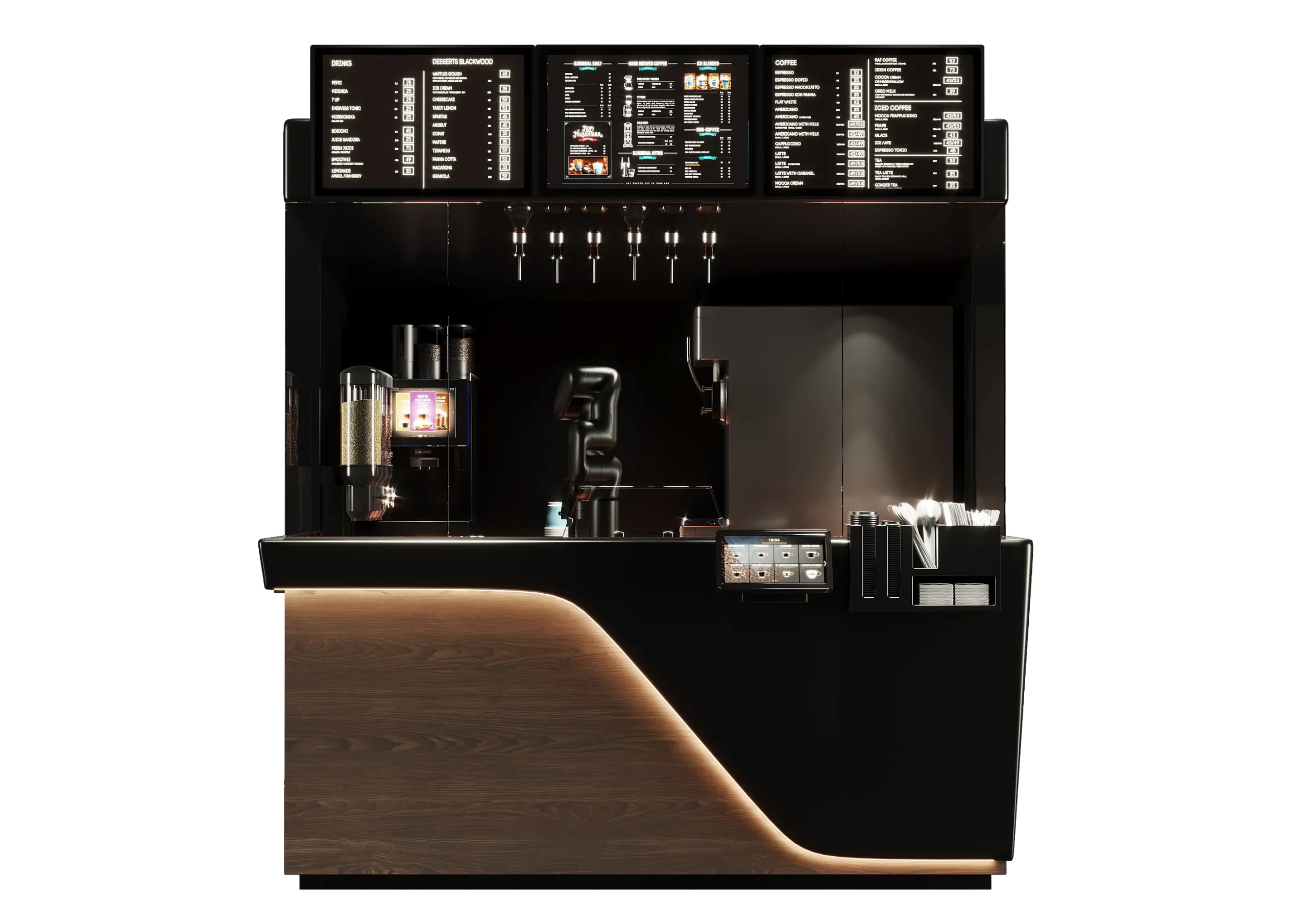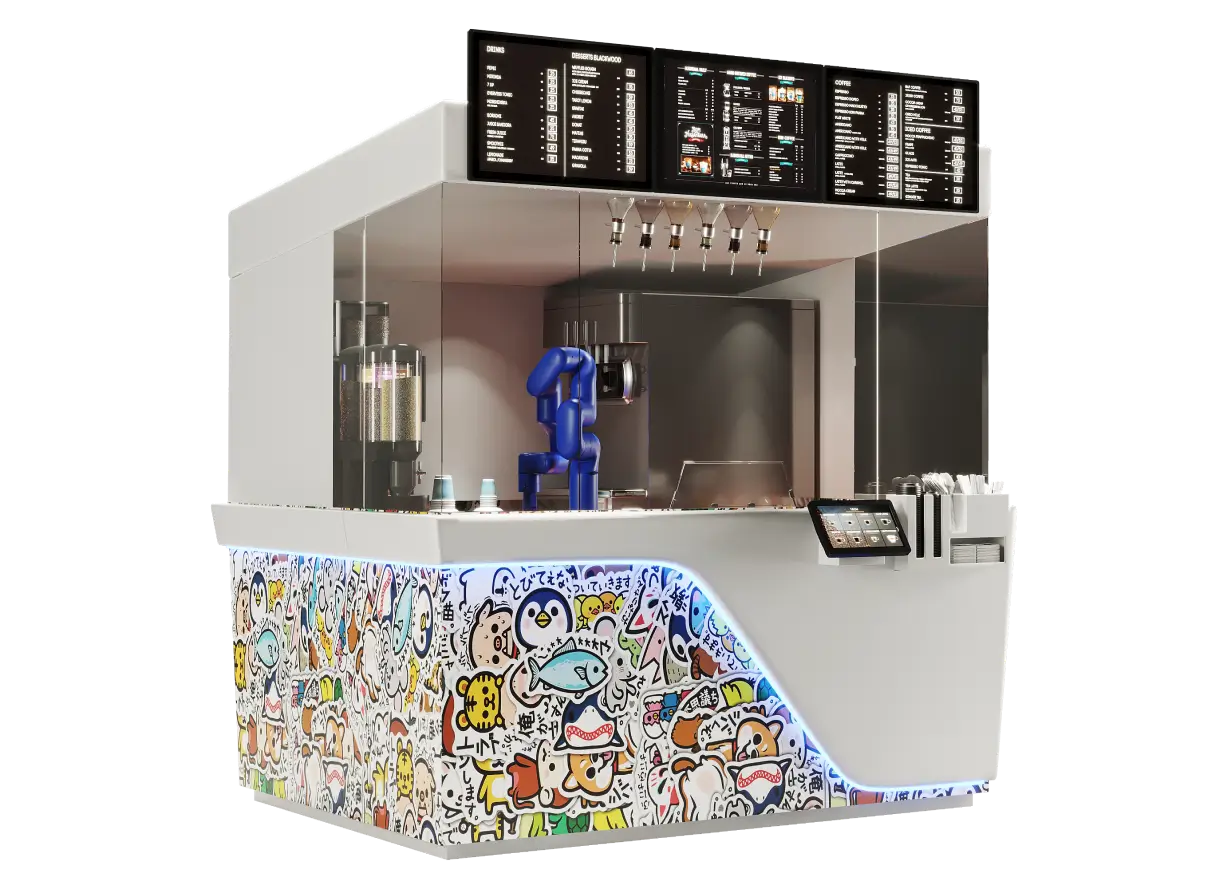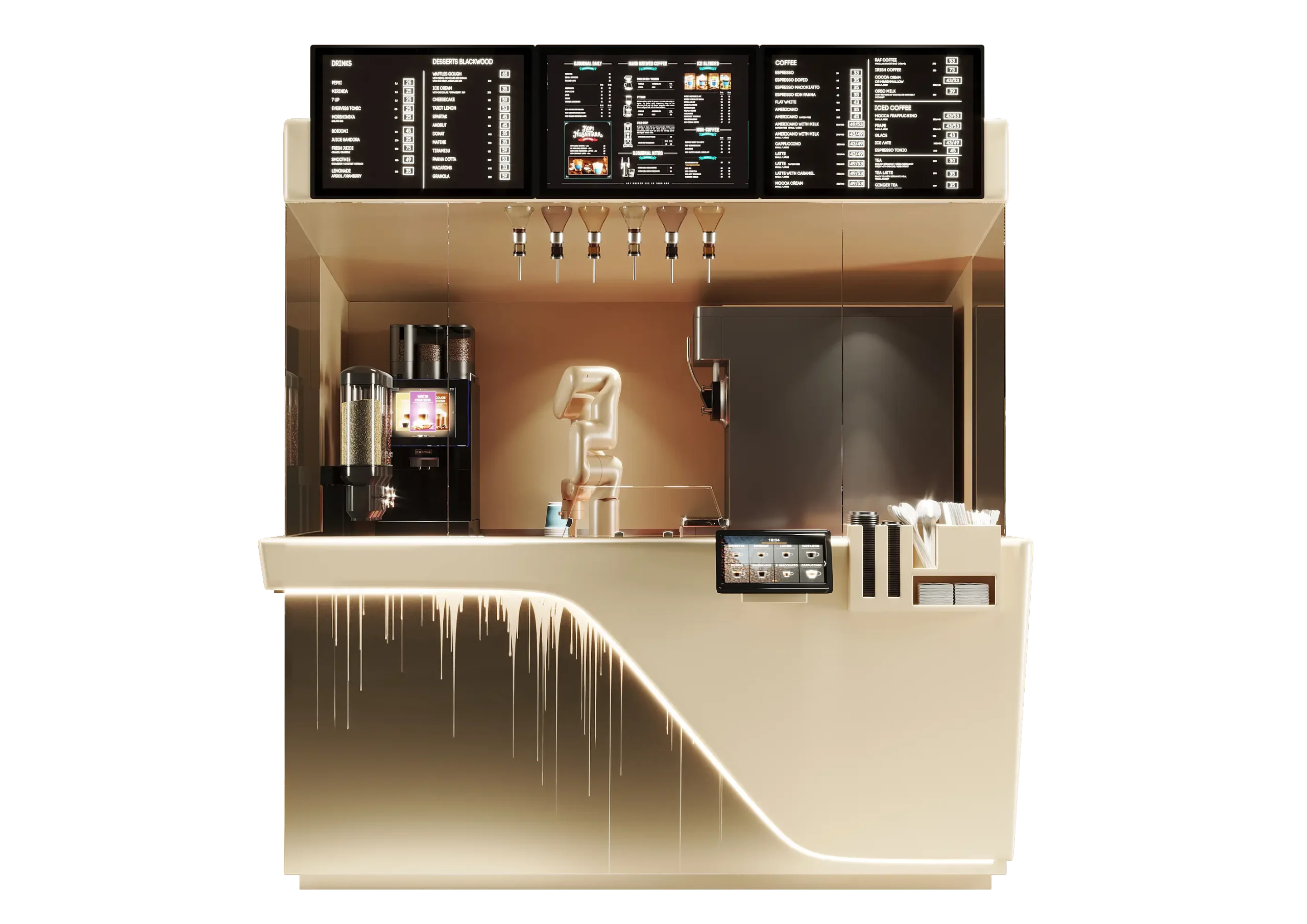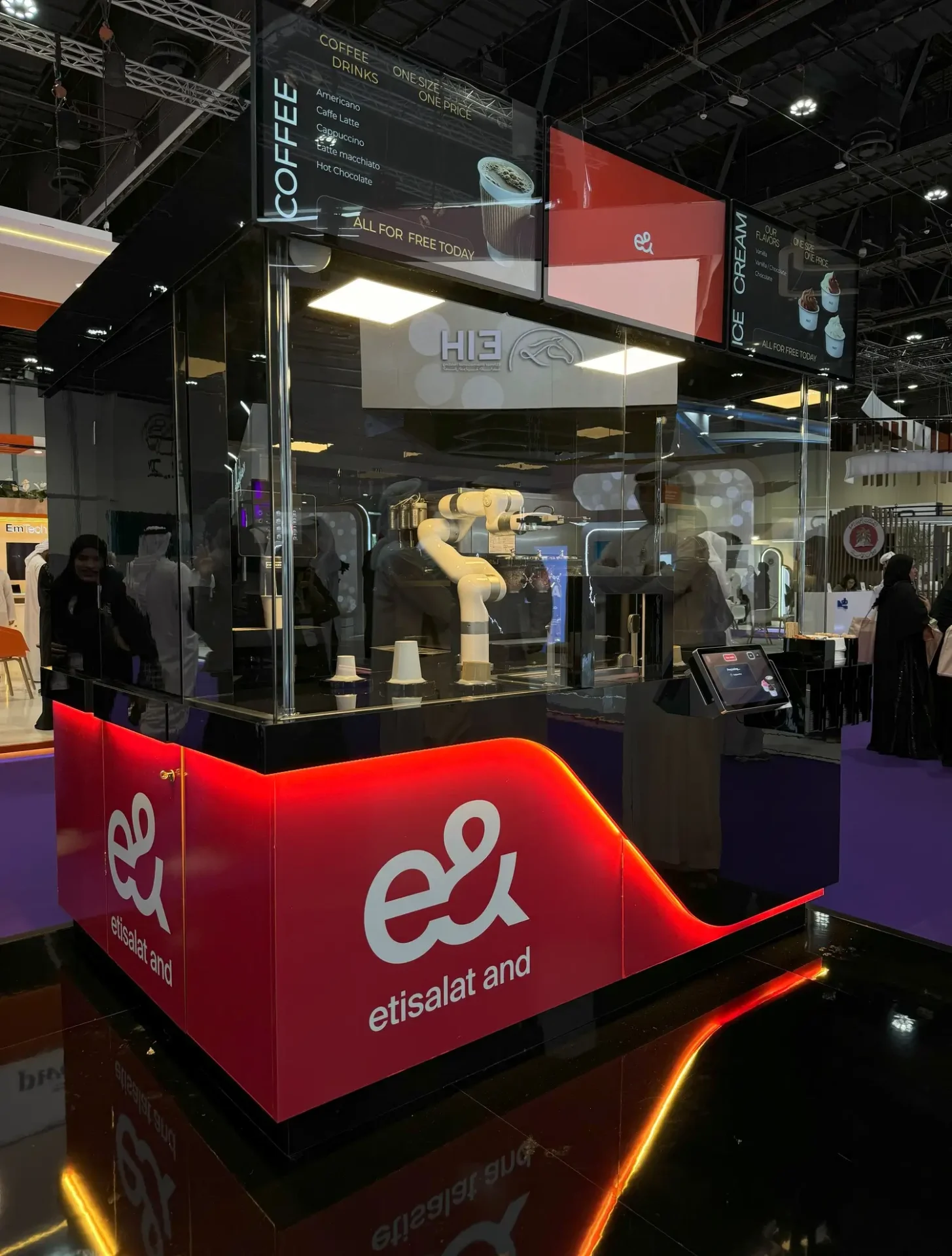
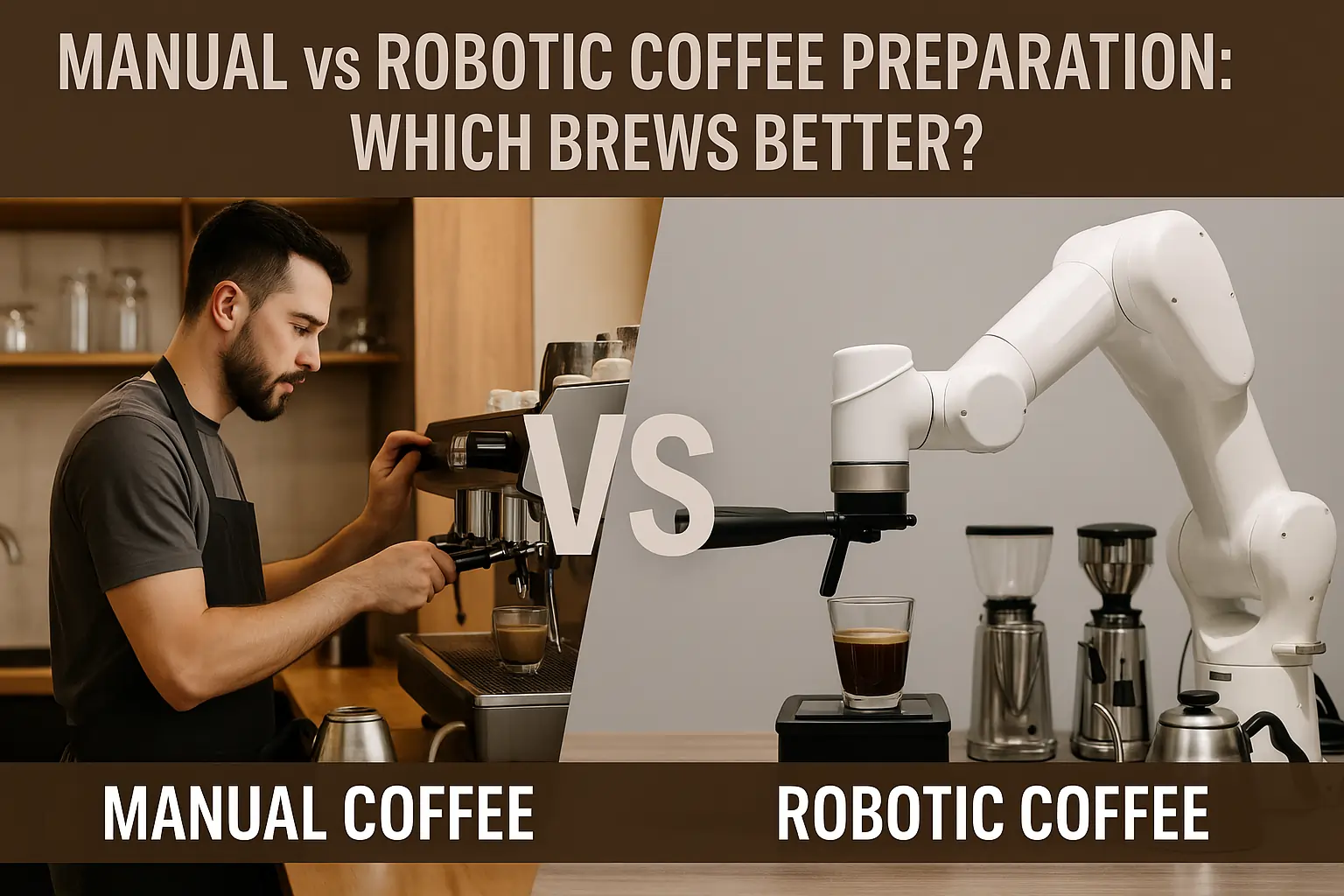
تحضير القهوة الروبوتية يغيّر الطريقة التي يتناول بها الناس مشروباتهم اليومية. ما كان في السابق فنًا من فنون المهارة البشرية البحتة يندمج الآن مع التكنولوجيا المتقدمة لخلق نوع جديد من ثقافة المقاهي. يمتد الجدل بين إعداد القهوة اليدوي والروبوتي إلى ما هو أبعد من النكهة؛ فالأمر يتعلق بالعاطفة والاتساق والابتكار.
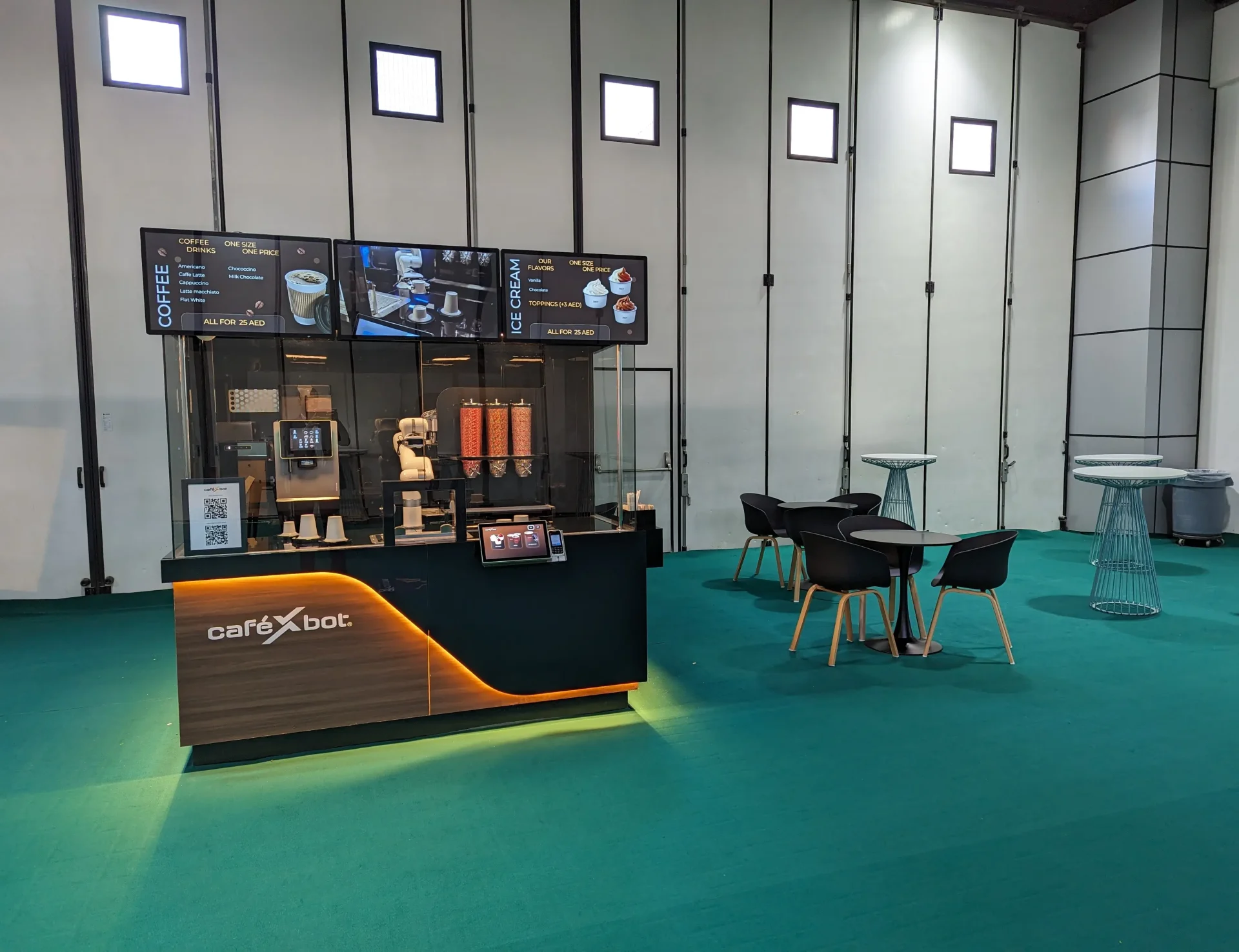
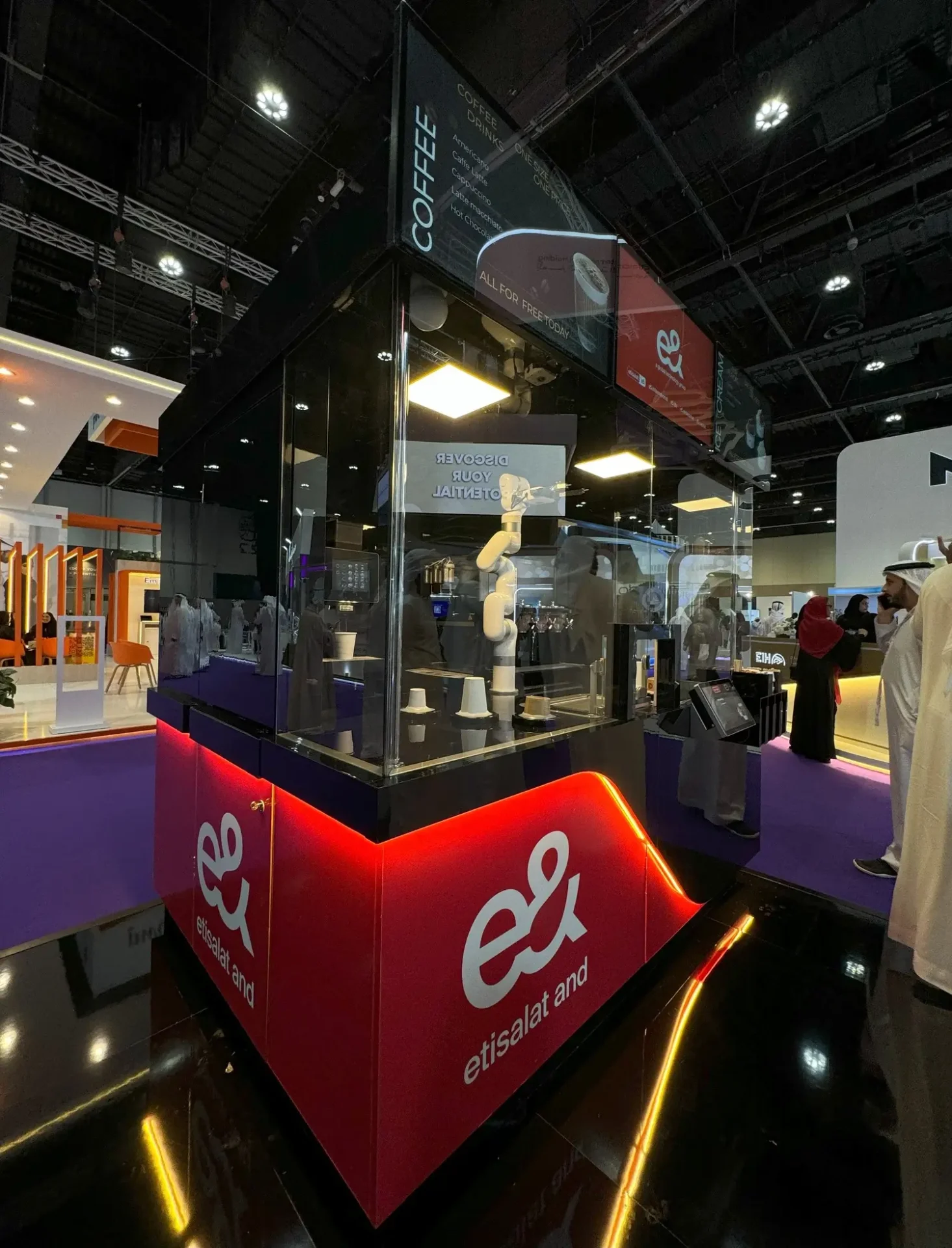
تتبنى المقاهي الحديثة وشركات التكنولوجيا في جميع أنحاء العالم مفهوم مقهى الروبوتات الآلية للقهوة، حيث تتولى الروبوتات التي تعمل بدقة عالية كل شيء بدءاً من طحن الحبوب إلى صب القهوة بالحليب. وتعيد هذه المقاهي المستقبلية تعريف مفهوم الملاءمة، حيث توفر السرعة والموثوقية بينما تثير فضول عشاق القهوة.
يدعو هذا التطور إلى إجراء مقارنة رائعة: هل يمكن للروبوت أن يستحوذ حقًا على دفء وطابع القهوة المصنوعة يدويًا، أم أنه ببساطة يعيد تعريف الكمال بطريقته الخاصة؟ مع استمرار النقاش بين القهوة اليدوية والروبوتية في إثارة النقاش، هناك شيء واحد مؤكد: الأتمتة موجودة لتبقى، وهي تغير طريقة تحضير القهوة وتقديمها وتقديرها.
ما هو التحضير الآلي للقهوة؟
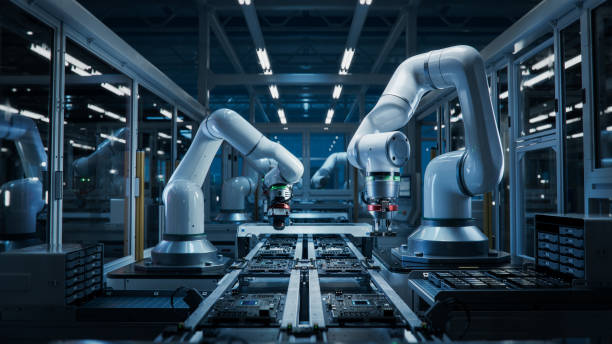
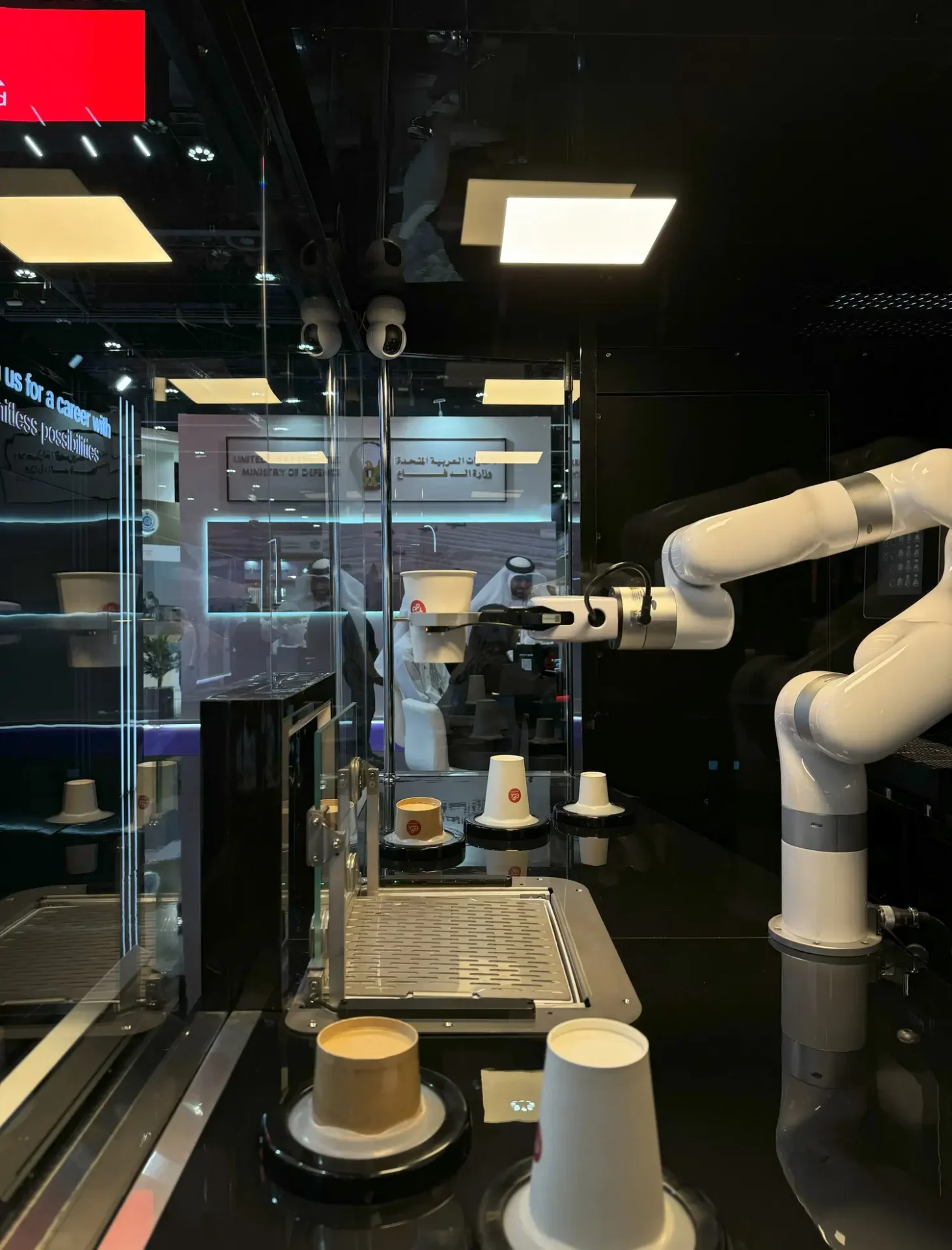
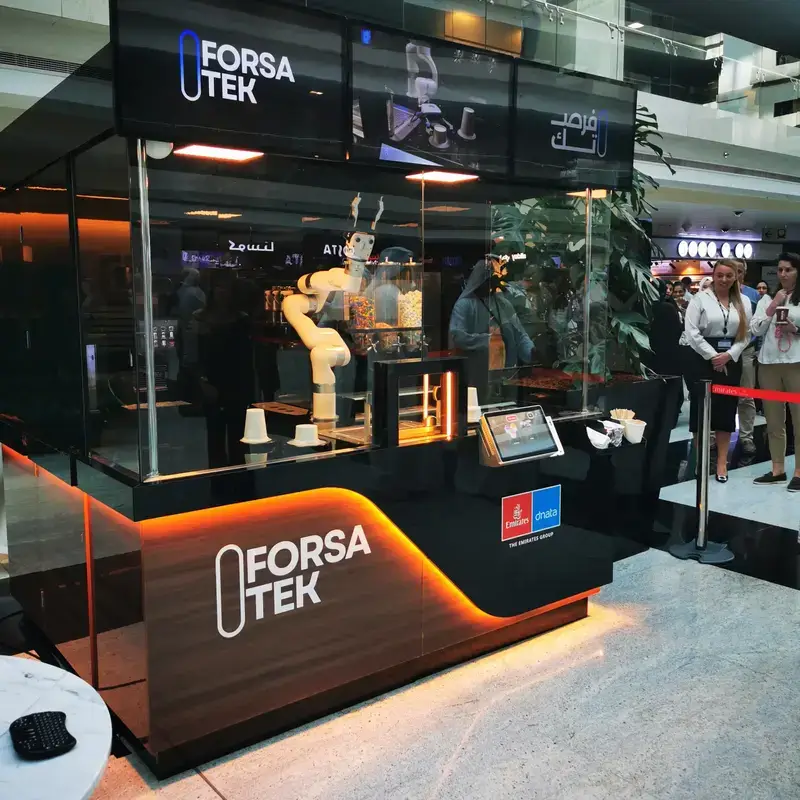
تحضير القهوة الروبوتية تجمع ما بين الأتمتة والذكاء الاصطناعي والهندسة الدقيقة لتحضير القهوة بجودة ثابتة. فبدلاً من الاعتماد على التوقيت اليدوي أو الحكم البشري، تتم إدارة كل خطوة، من طحن الحبوب إلى رغوة الحليب، بواسطة أجهزة استشعار وعناصر تحكم محددة مسبقًا تقدم النتيجة نفسها في كل مرة.
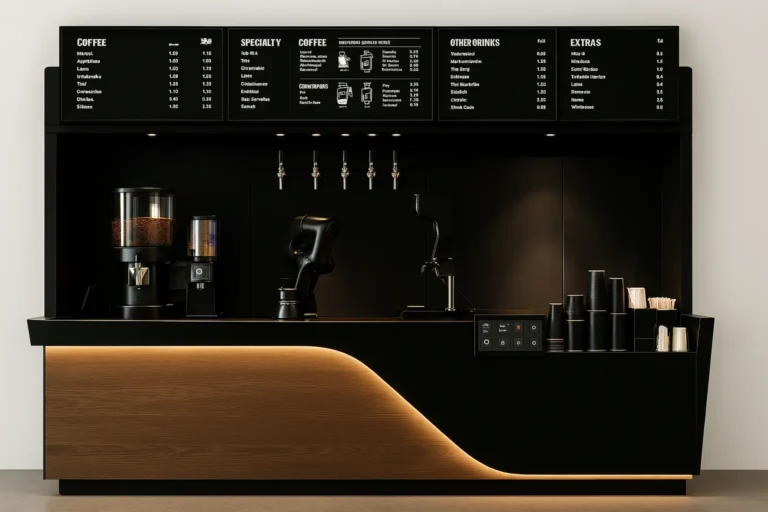
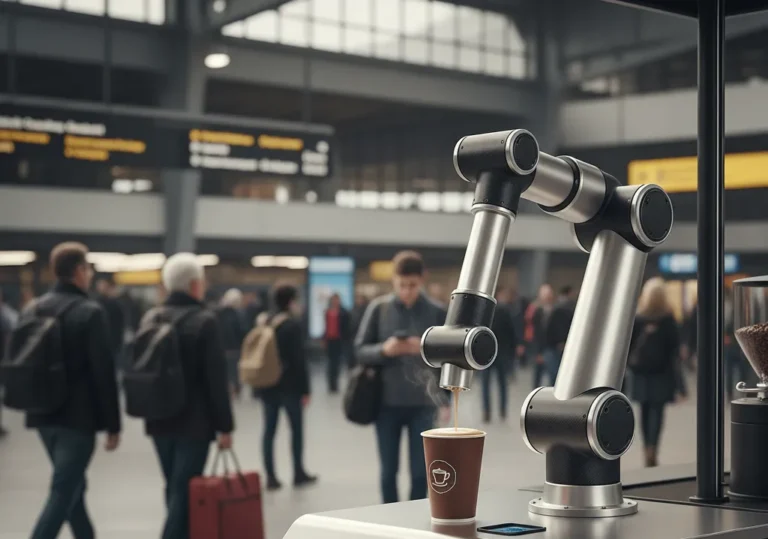
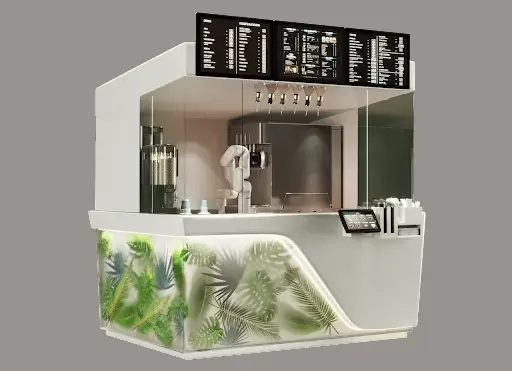
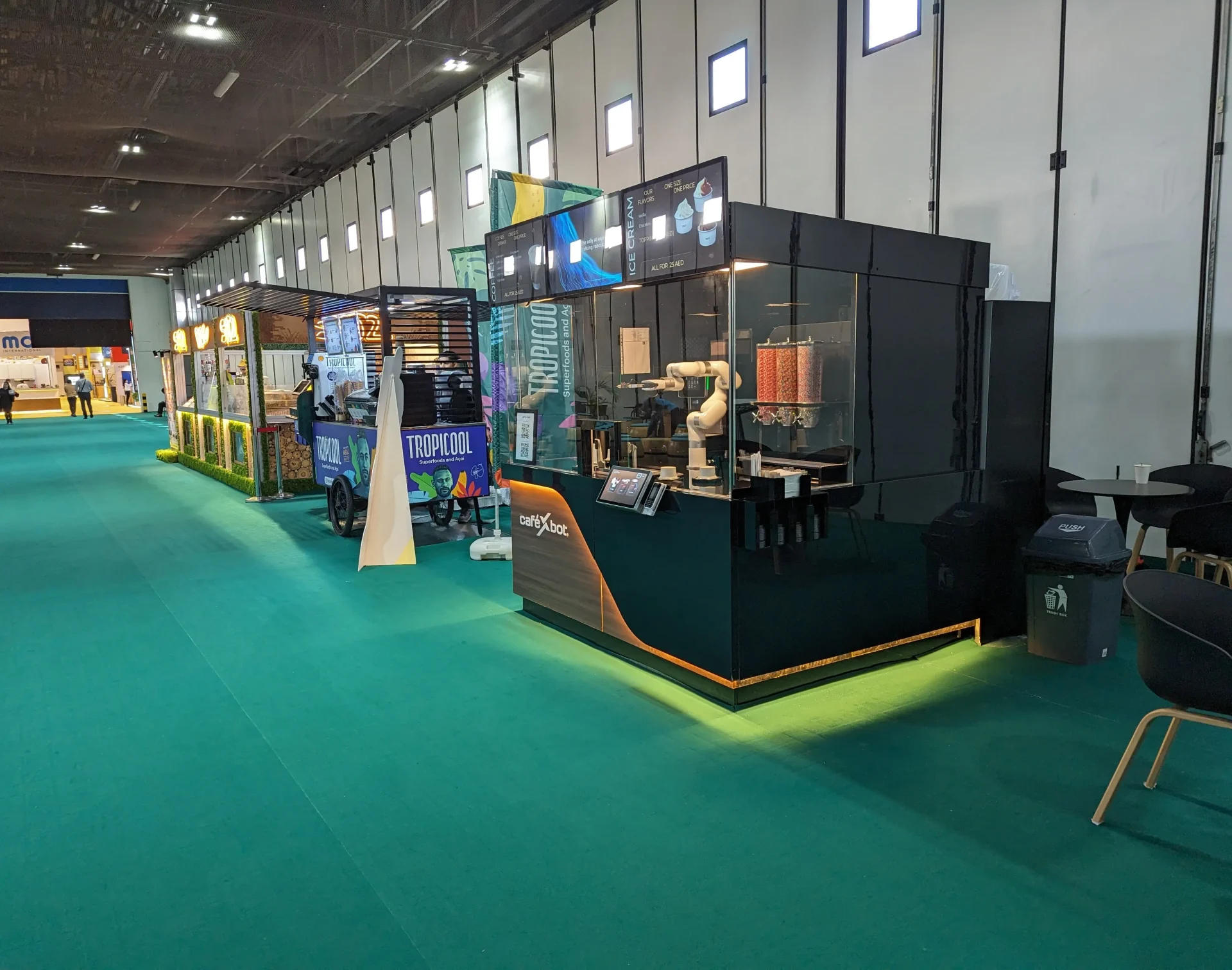
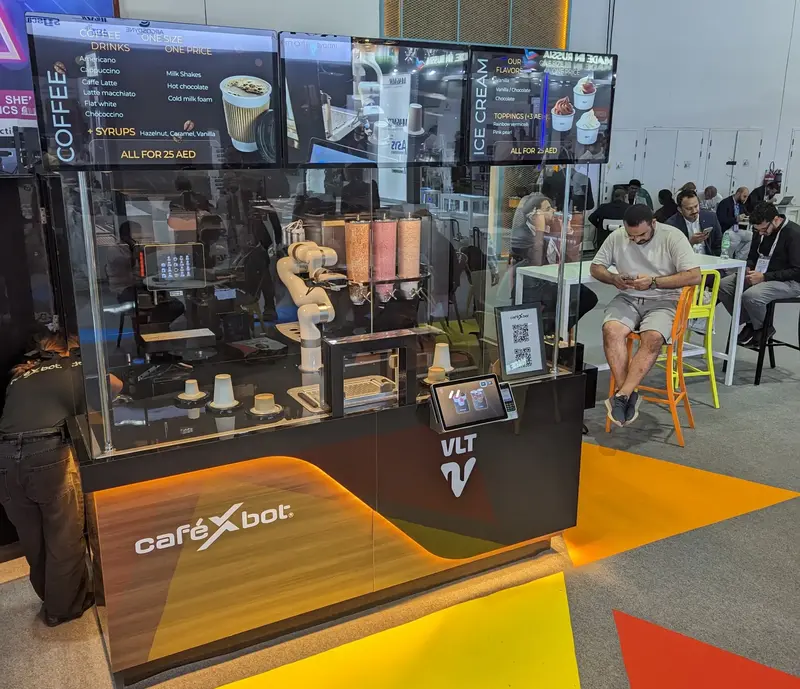
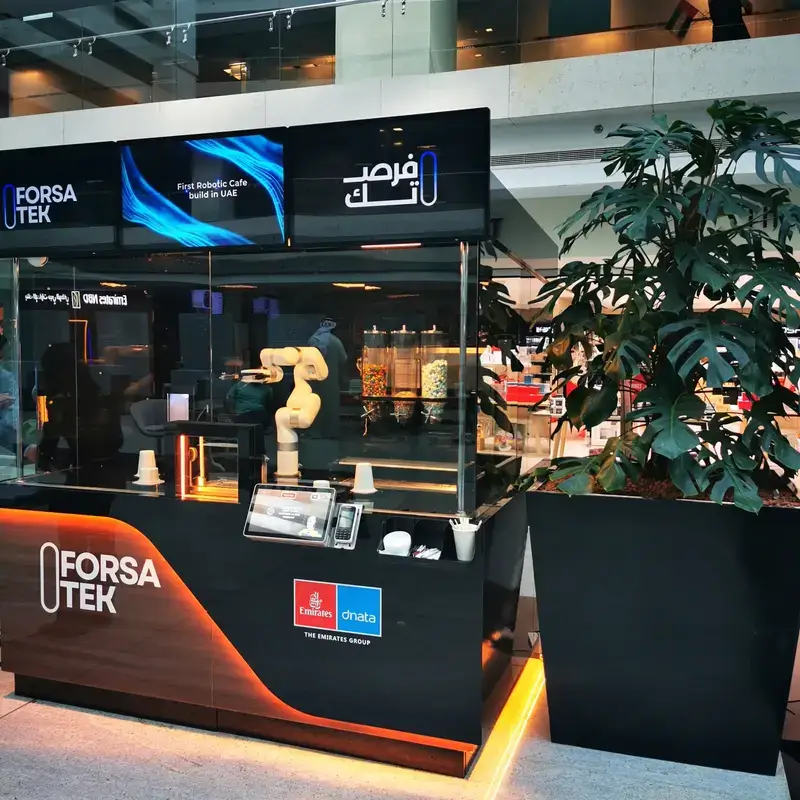
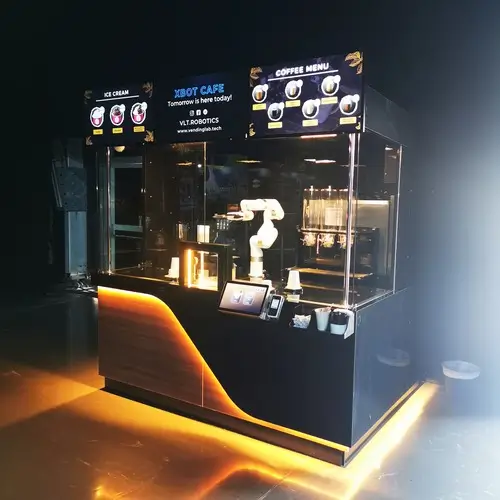
إذن, كيفية عمل تحضير القهوة الروبوتية بسيطة ومتطورة في نفس الوقت. يتعامل الذراع الآلي أو النظام الآلي مع العملية الكاملة داخل كشك أو مقهى صغير الحجم. يقوم الإعداد بقياس القهوة المطحونة بدقة، ويحافظ على درجة حرارة الماء ثابتة، ويتحكم في ضغط التخمير وفقًا للوصفة المختارة. هذه الميزات هي جزء من نظام تخمير القهوة الآلي, مصممة لتقليل الأخطاء البشرية وتحسين الكفاءة.
عصري ماكينات القهوة الآلية القيام بأكثر من مجرد سكب قهوة الإسبريسو الأساسية. فيمكنها تحضير الكابتشينو واللاتيه المثلج وحتى المشروبات المزخرفة بالحليب الرغوي بعناية. يقوم العملاء بالطلب من خلال شاشات اللمس أو تطبيقات الهاتف المحمول، ويقوم النظام بإكمال المشروب بدقة. تساعد المستشعرات المدمجة في الحفاظ على نضارة القهوة ونظافتها ودرجة الحرارة المناسبة.
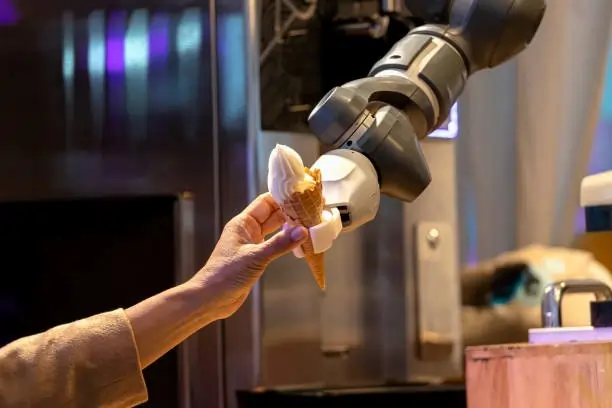
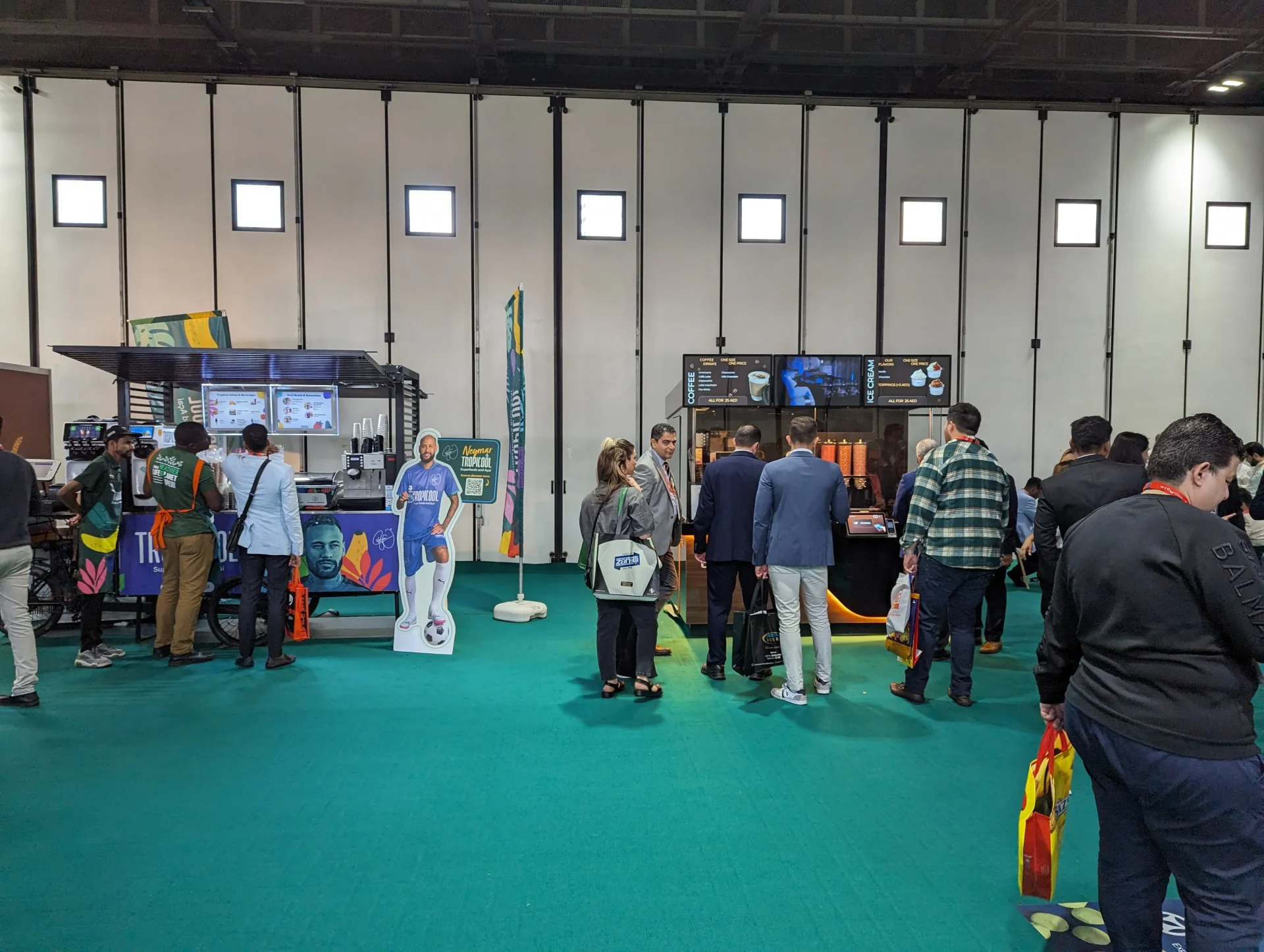
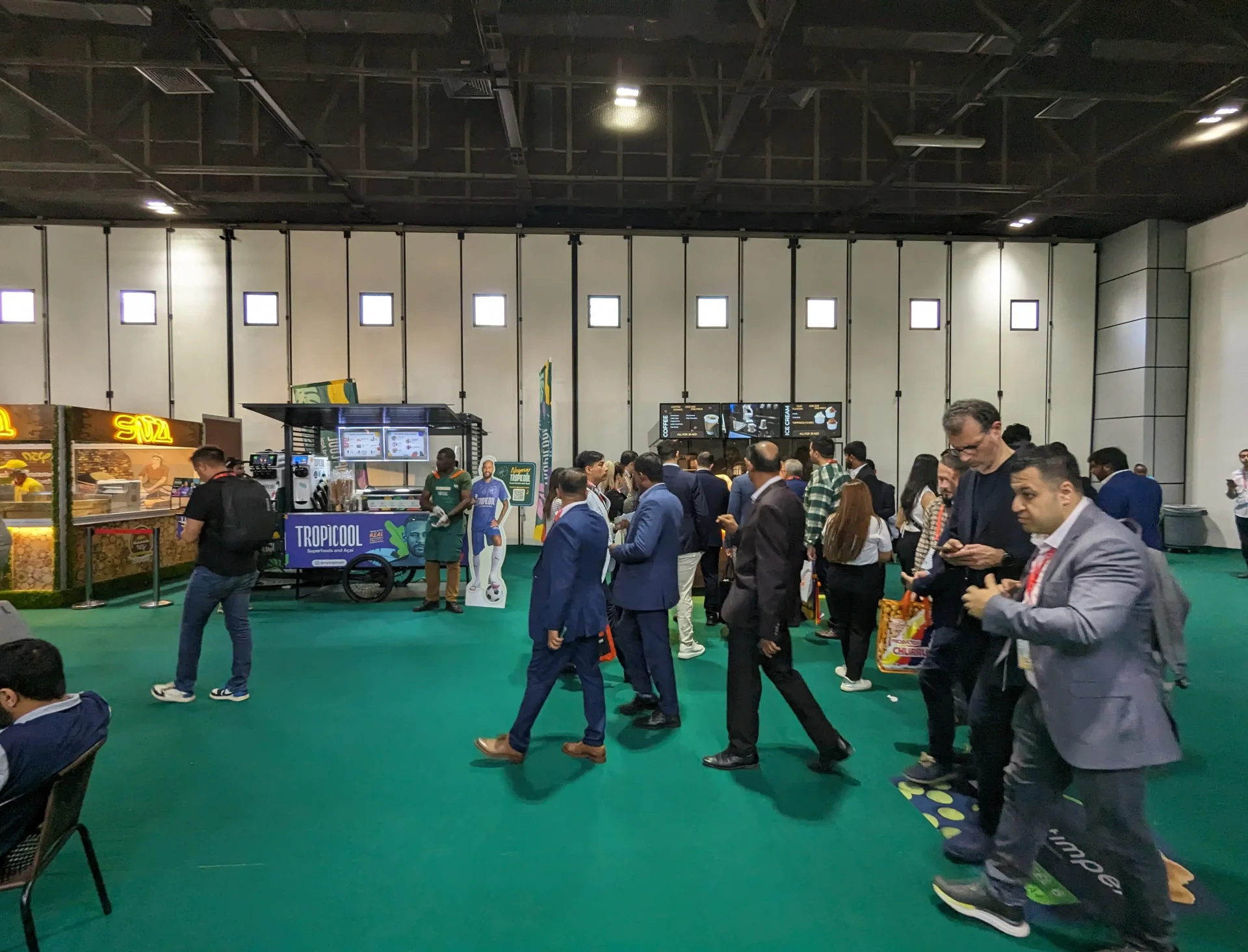
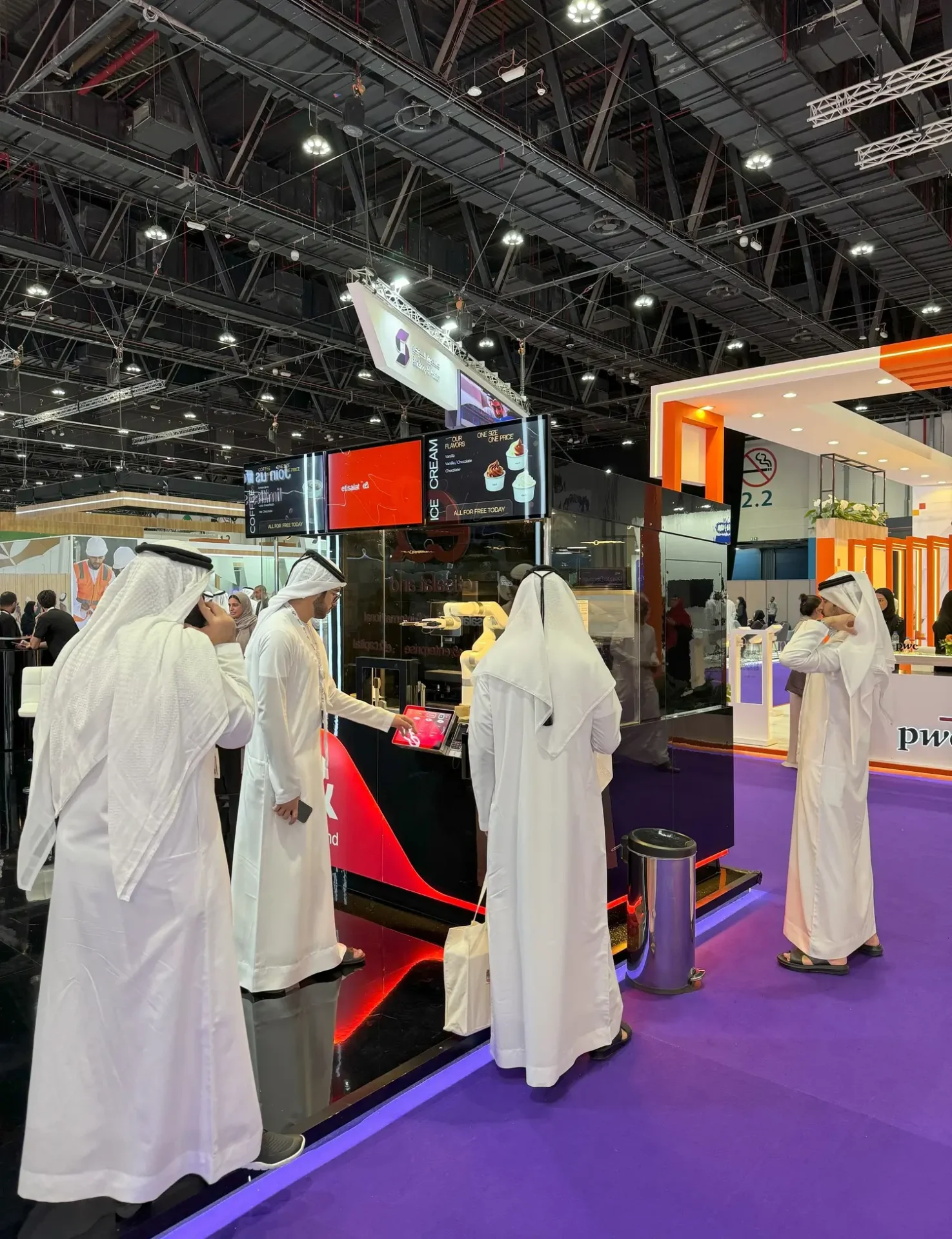
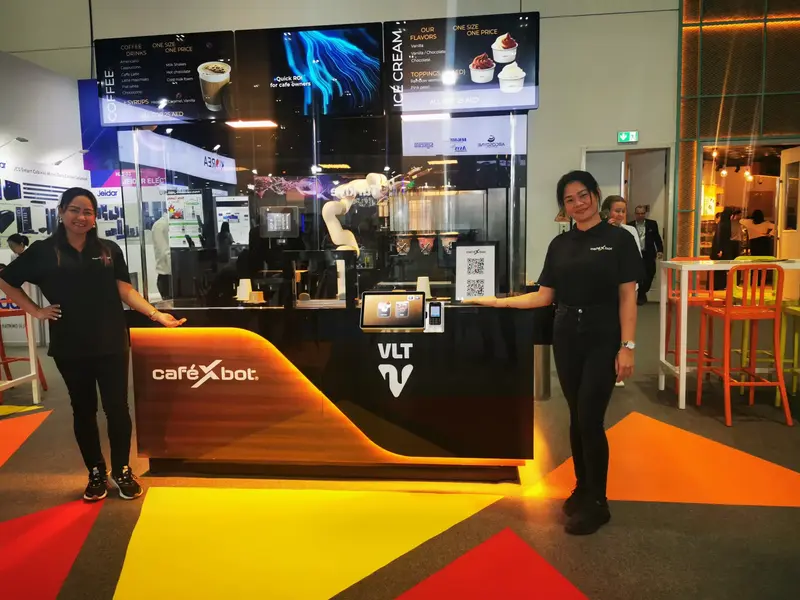
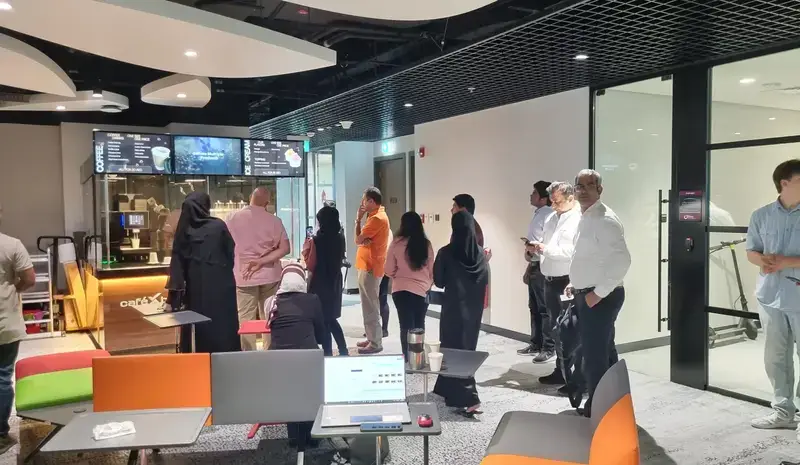
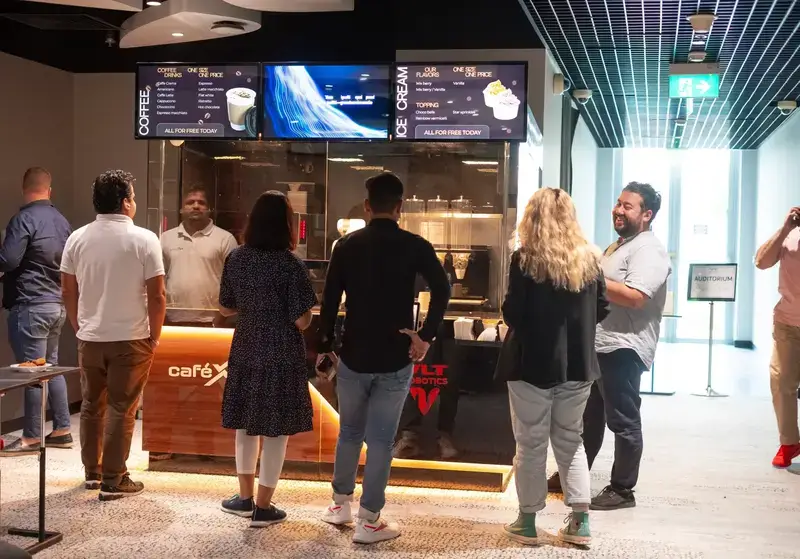
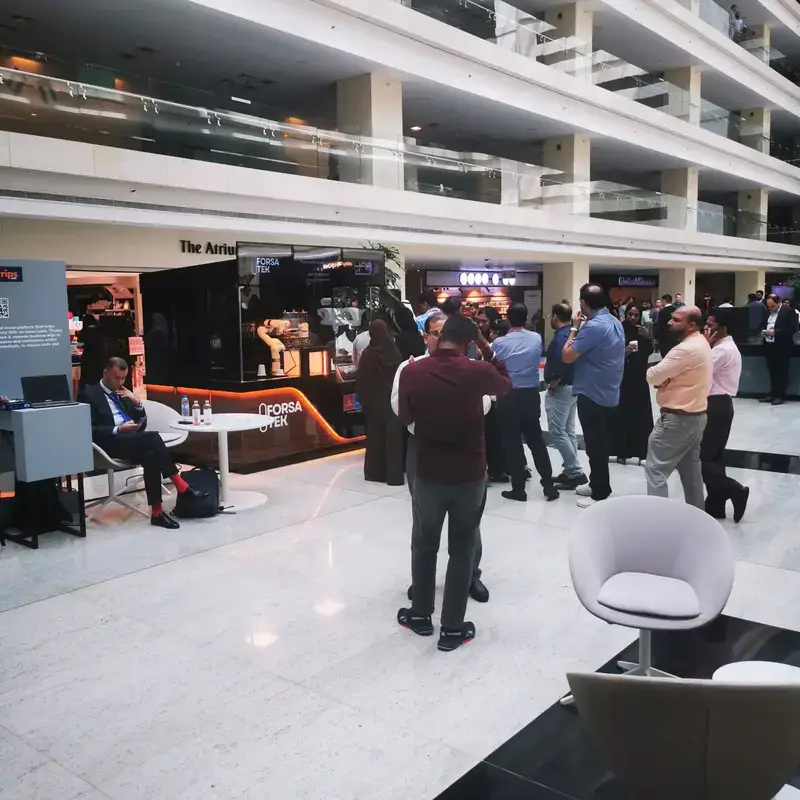
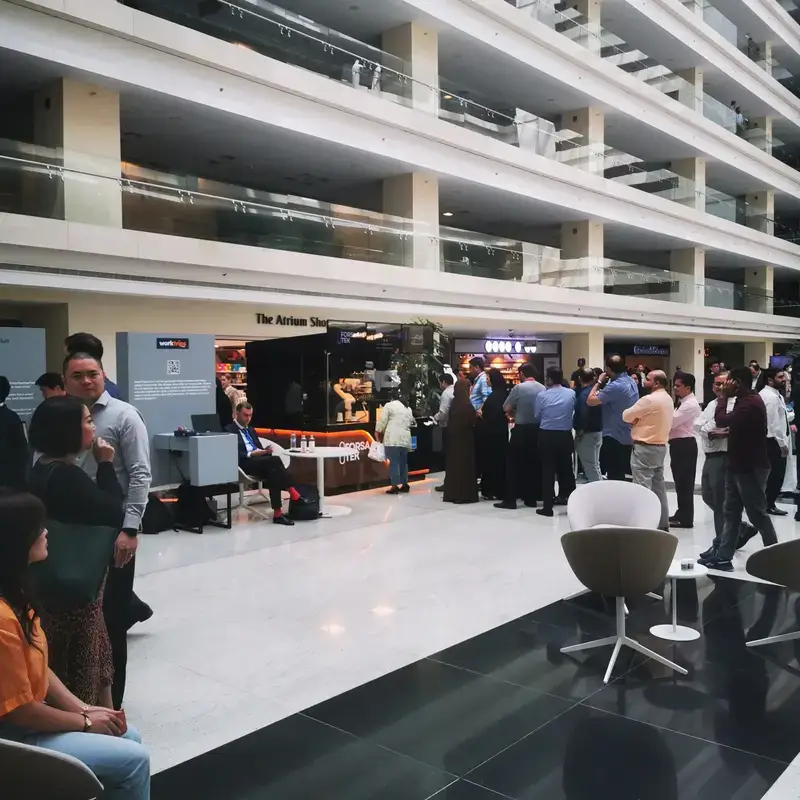
مفهوم مقهى آلي تنمو بسرعة في أماكن مثل المطارات ومراكز الأعمال والجامعات. تعمل هذه المقاهي الآلية على مدار الساعة وتقدم نفس مستوى القهوة في كل مرة. يستمتع العديد من الزوار بمشاهدة الروبوت أثناء عمله، مما يحول عملية تحضير القهوة العادية إلى تجربة من نوع جديد.
في الواقع, تحضير القهوة الآلي لا تحل محل الباريستا. فهو يدعمهم من خلال توفير السرعة والدقة والموثوقية مع ترك فن وإبداع التقديم للأيدي البشرية.
فهم التحضير اليدوي للقهوة
التخمير اليدوي هو المكان الذي تجتمع فيه الحرفية والعاطفة معاً. إنها العملية التي تعتمد على اللمسة البشرية، وحجم الطحن، ووقت التخمير، وتقنية السكب لإبراز الشخصية الفريدة لكل كوب. يُكرِّس صانعو القهوة سنوات لإتقان تقنيتهم، مما يجعل كل مشروب إبداعاً شخصياً.
سواءً كانت جرعة إسبريسو يتم سحبها بدقة أو سكبها ببطء لتكشف عن نغمات رقيقة، فإن التخمير اليدوي يحتفي بالتفرد والإبداع. كل كوب يبدو حيويًا، يتشكل من خلال حدس صانع القهوة ومزاجه. هذه اللمسة الشخصية تخلق علاقة عاطفية تحافظ على ولاء عشاق القهوة التقليدية للقهوة المصنوعة يدوياً.
ومع ذلك، فإن التخمير اليدوي له حدوده. فهي تتطلب الوقت والاتساق والتركيز المستمر. في البيئات المزدحمة، حتى الباريستا الماهرين يمكن أن يكافحوا للحفاظ على جودة موحدة. ومع ذلك، هذا هو ما يجعل التحضير اليدوي جذابًا للغاية: إنه غير مثالي تمامًا، وهو انعكاس للفن البشري الذي تهدف التكنولوجيا إلى مطابقته كما تحضير القهوة الآلي تزداد شعبيتها.
المقارنة بين نمطي التخمير
| أسبكت | التحضير اليدوي للقهوة | تحضير القهوة الروبوتية |
|---|---|---|
| الدقة والاتساق | يعتمد على مهارة صانع القهوة وروتينه. تؤثر التغييرات الطفيفة في الطحن أو الضغط أو التوقيت على النكهة. | يتم التحكم فيها بواسطة أنظمة معايرة. يتبع كل كوب العملية نفسها، مما يعطي نتائج ثابتة. |
| السرعة والكفاءة | أبطأ خلال ساعات الذروة لأن كل كوب مصنوع يدوياً. | تعمل بسرعة وتتعامل مع المزيد من الطلبات في وقت أقل، مما يجعلها مثالية لمقاهي القهوة الآلية المزدحمة. |
| الذوق والجودة | تختلف النكهة حسب خبرة مقدم القهوة ومزاجه. | نكهة متوازنة بفضل التحكم الدقيق في درجة الحرارة والتوقيت بواسطة آلات القهوة الآلية. |
| الخبرة والعاطفة | تقدم لمسة شخصية وإنسانية يقدرها الكثير من محبي القهوة. | ابتكر تجربة قهوة روبوتية عصرية مع فضول وحداثة. |
| التكلفة والصيانة | يحتاج إلى موظفين مدربين واهتمام مستمر بالتنظيف والصيانة. | تكلفة أقل على المدى الطويل، والحاجة إلى عدد أقل من الموظفين، وتنبيهات الصيانة الآلية. |
| باريستا ضد الروبوت | توفر المهارة البشرية مهارة فنية ولكنها تفتقر إلى السرعة والانتظام. | توفر الآلات الموثوقية والدقة التي تدعم الإبداع البشري. |
لكلتا الطريقتين مكانتهما في عالم القهوة. يتصل التخمير اليدوي من خلال الحرفية اليدوية، في حين أن تحضير القهوة الآلي يجلب الابتكار والسرعة والاعتمادية. وغالباً ما تستخدم أفضل المقاهي مزيجاً من الاثنين معاً لتحقيق التوازن بين الدفء والكفاءة.
الاستدامة وفعالية التكلفة
5.1 الحد من النفايات واستخدام الموارد
أتمتة القهوة يساعد على تقليل الهدر عن طريق تحديد الجرعات بدقة وتوقيت الاستخراج بعناية. يعني عدد أقل من السحب الخاطئ عددًا أقل من الجرعات المهملة. كما أن التبخير الدقيق للحليب يقلل أيضًا من بقايا الحليب في الأباريق، مما يقلل من نفايات الألبان بمرور الوقت. يمكن أن تحقق عمليات سير العمل اليدوية نتائج مماثلة مع إجراءات روتينية صارمة، ومع ذلك فإن الزلات الصغيرة في التوقيت أو القياس غالبًا ما تتراكم خلال يوم مزدحم.
5.2 الطاقة والصيانة
تدير الأنظمة الآلية دورات الإحماء وأوضاع الخمول ومطالبات التنظيف، مما يحسن التحكم في الطاقة على مدار الأسبوع. تمنع جداول الصيانة الواضحة الأعطال المفاجئة وتحافظ على أداء المعدات في درجة الحرارة والضغط المناسبين. تعتمد العمليات اليدوية على انضباط الموظفين لنفس المهام. يمكن أن يعمل ذلك بشكل جيد في المتاجر الأصغر، على الرغم من صعوبة الحفاظ على الاتساق عبر نوبات العمل.
5.3 العمالة والإنتاجية
يسمح التشغيل الآلي لمشرف واحد بالإشراف على عدة محطات مما يزيد من عدد المشروبات المنتجة في الساعة. وهذا يساعد خلال أوقات الذروة دون زيادة عدد الفريق. لا تزال المحطات اليدوية تتألق في تقديم المشروبات المتخصصة والتفاعل مع الضيوف، على الرغم من أن توسيع نطاق هذه التجربة يتطلب المزيد من التدريب ومستويات أعلى من الموظفين.
5.4 التكلفة الإجمالية للملكية
قد تكون التكاليف الأولية للمعدات المتطورة أعلى، ولكن الوفورات على المدى الطويل تأتي من الإنتاج الأكثر ثباتًا، وإعادة تصنيع أقل، وتحكم أكثر إحكامًا في المكونات. هذه هي الأمور العملية فوائد تحضير القهوة الروبوتية من الناحية المالية. تتميز الإعدادات اليدوية بتكاليف دخول أقل، وهو ما يناسب المقاهي التي تركز على الأحجام الصغيرة والخدمة الشخصية للغاية.
مستقبل القهوة: الانسجام وليس المنافسة
6.1 النماذج الهجينة في المقاهي الحديثة
يمزج المسار الأكثر استدامة إلى الأمام بين الحرفية البشرية والأتمتة. حيث تتولى محطة يقودها باريستا صب القهوة المميزة وفن القهوة، بينما يدعم الخط الآلي الطلب الثابت. هذا المزيج يحافظ على سرعة الخدمة، ويحمي الجودة، ويترك مجالاً للإبداع حيثما كان ذلك مهمًا.
2.6 تطور الأدوار وتعميق المهارات
يتحول الباريستا إلى أدوار تحتاج إلى الحكم وحسن الضيافة. تصبح المعايرة والتقييم الحسي وتصميم المشروبات وتثقيف الضيوف مهارات أساسية. تتولى المحطات الآلية إدارة المهام المتكررة، بحيث تقضي فرق العمل وقتاً أطول في النكهة والتقديم والخدمة.
6.3 تجربة النزلاء حسب الاختيار
يرغب بعض الضيوف في إجراء محادثة وطقوس معينة. والبعض الآخر يرغبون في الاستقبال الهادئ والسلس. إن تقديم كلا المسارين يزيد من الرضا وتكرار الزيارات. تساعد اللافتات الواضحة وتدفقات الطلبات البسيطة والوصفات المتسقة كل ضيف على اختيار التجربة التي يفضلها.
6.4 المرونة التشغيلية
تدعم الأتمتة الإنتاج الثابت خلال فترات الذروة وتوفر نسخًا احتياطية موثوقة عندما يكون عدد الموظفين محدودًا. أما الخبرة اليدوية فتغطي الحالات القصوى والقوائم الموسمية والمشروبات المعقدة. ومعاً، ينشئان معاً مقهى يتكيف بسلاسة مع الطلب المتغير.
6.5 إلى أين يتجه الابتكار بعد ذلك
إن مستقبل القهوة يشير إلى قياس عن بُعد أكثر ذكاءً، ومطاحن أكثر دقة، وتحكم أكثر إحكامًا في درجة الحرارة. تساعد البيانات على توقع الصيانة والحفاظ على الاستخراج في النطاق عبر المواقع. باستخدام هذه الأدوات, تحضير القهوة الآلي يتعامل مع الاتساق على نطاق واسع، بينما يدفع الباريستا حدود النكهة وهوية العلامة التجارية.
هل أنت مستعد لتحضير الأرباح مع القهوة الآلية؟
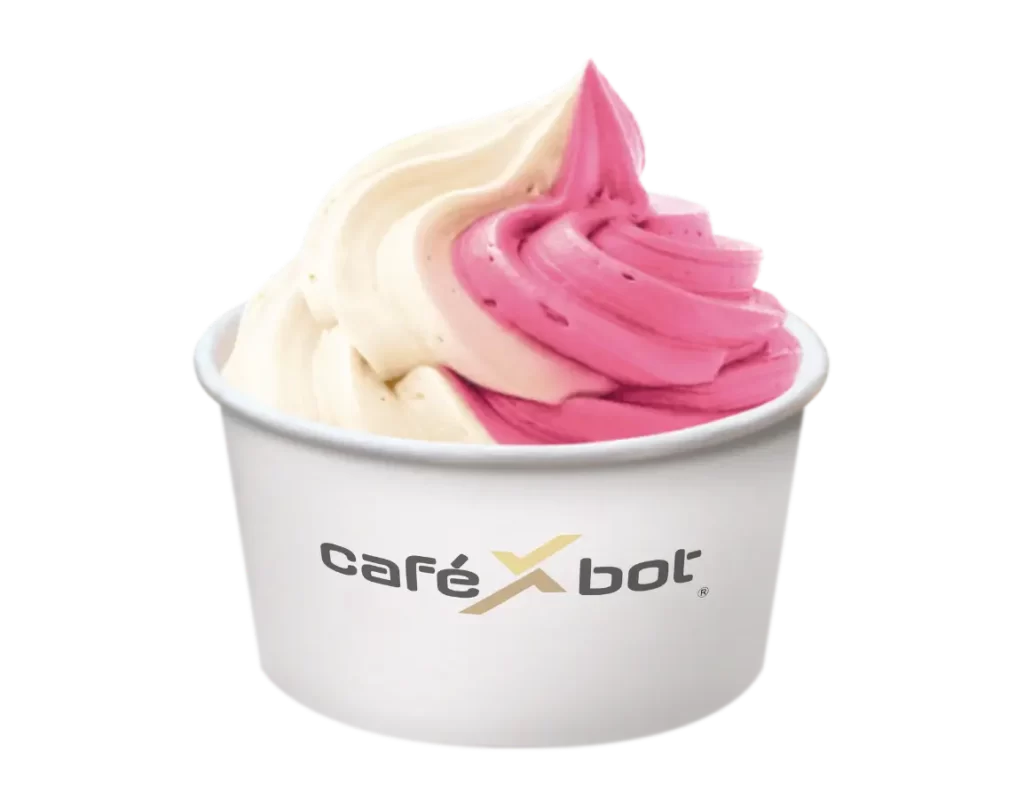
انطلق إلى المستقبل مع كافيه إكسبوت من مختبر البيع-فرصة استثمارية متطورة في مجال الاستثمار في قهوة روبوتية الصناعة. يعيد CafeXbot تعريف كيفية تحقيق المقاهي الذكية للدخل السلبي على نطاق واسع، وذلك بفضل تشغيله المستقل ونموذج الصيانة المنخفض وإمكانات الكسب المثبتة.
👉 سواء كنت مستثمرًا ذكيًا، أو رائد أعمال غير متعاون، أو صاحب رؤية تتطلع إلى الاستفادة من الأتمتة, كافيه إكسبوت يضع مستقبل القهوة بين يديك مباشرةً.
💼 استثمر في CafeXbot اليوم - حيث تلتقي التكنولوجيا مع الربحية.
الخاتمة: أيهما أفضل في التخمير؟
يمكن أن تقدم كلتا الطريقتين كوباً ممتازاً. تحضير القهوة الروبوتية يحمي دقة الوصفة، ويحافظ على ثبات الخدمة، ويقلل من عمليات إعادة التحضير. يجلب التخمير اليدوي الحرفية والتعديلات الصغيرة واللمسة الشخصية. من الناحية العملية، يعتمد الخيار الأفضل على السياق. فالحانة المتخصصة الهادئة تكافئ العمل اليدوي، بينما يستفيد المكان المزدحم من التدفق المحسوب والقابل للتكرار. من هذا المنظور, القهوة اليدوية مقابل القهوة الآلية ليس شجارًا، بل هو خيار يمكن للمقاهي أن تختاره لكل مشروب ولكل ساعة ولكل ضيف. بالنسبة للعديد من الزوار، فإن باريستا ضد الروبوت السؤال يتعلق بالمزاج والوقت، وليس الصواب والخطأ.