Robotic coffee preparation is transforming the way people experience their daily brew. What was once purely an art of human skill is now merging with advanced technology to create a new kind of café culture. The debate between manual and robotic coffee preparation extends beyond flavor; it’s about emotion, consistency, and innovation.
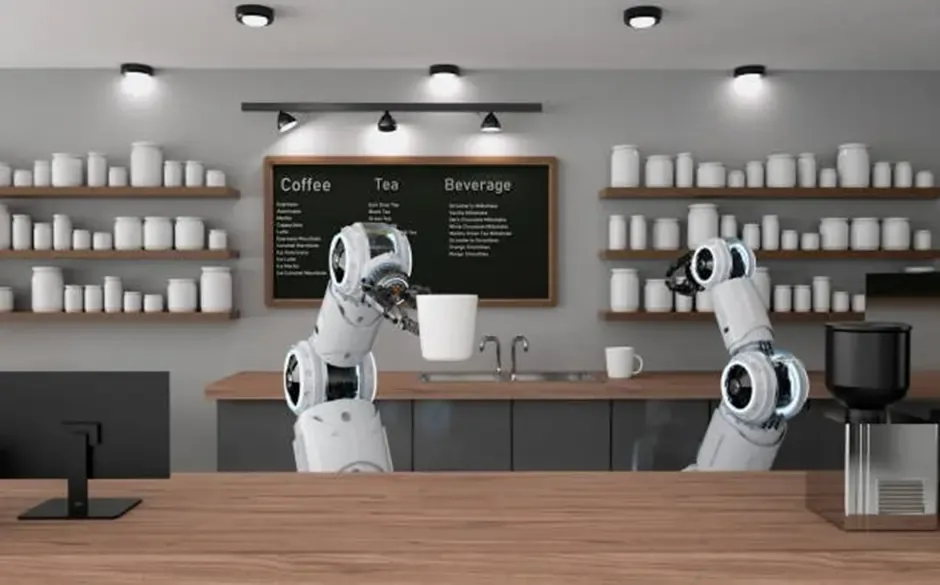
Across the world, modern cafés and technology companies are embracing the robot coffee bar concept, where precision-driven robots handle everything from grinding beans to pouring latte art. These futuristic cafés are redefining convenience, offering speed and reliability while sparking curiosity among coffee enthusiasts.
This evolution invites a fascinating comparison: can a robot truly capture the warmth and character of a handcrafted brew, or does it simply redefine perfection in its own way? As manual vs robotic coffee continues to stir discussion, one thing is certain: automation is here to stay, and it’s changing how coffee is prepared, served, and appreciated.
What Is Robotic Coffee Preparation?
Robotic coffee preparation combines automation, artificial intelligence, and precise engineering to brew coffee with consistent quality. Instead of relying on manual timing or human judgment, every step, from grinding beans to frothing milk, is managed by sensors and preset controls that deliver the same result every time.
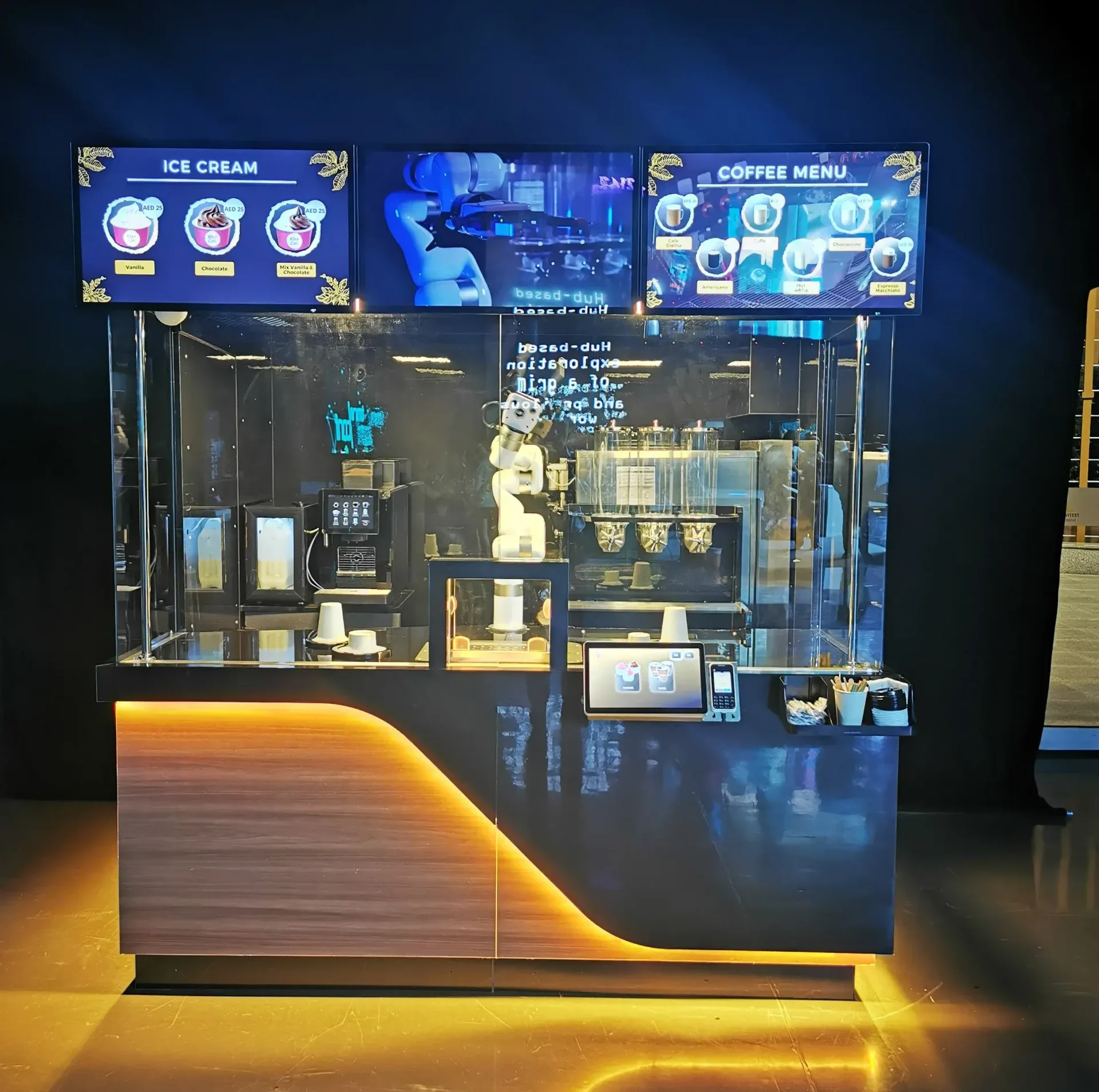
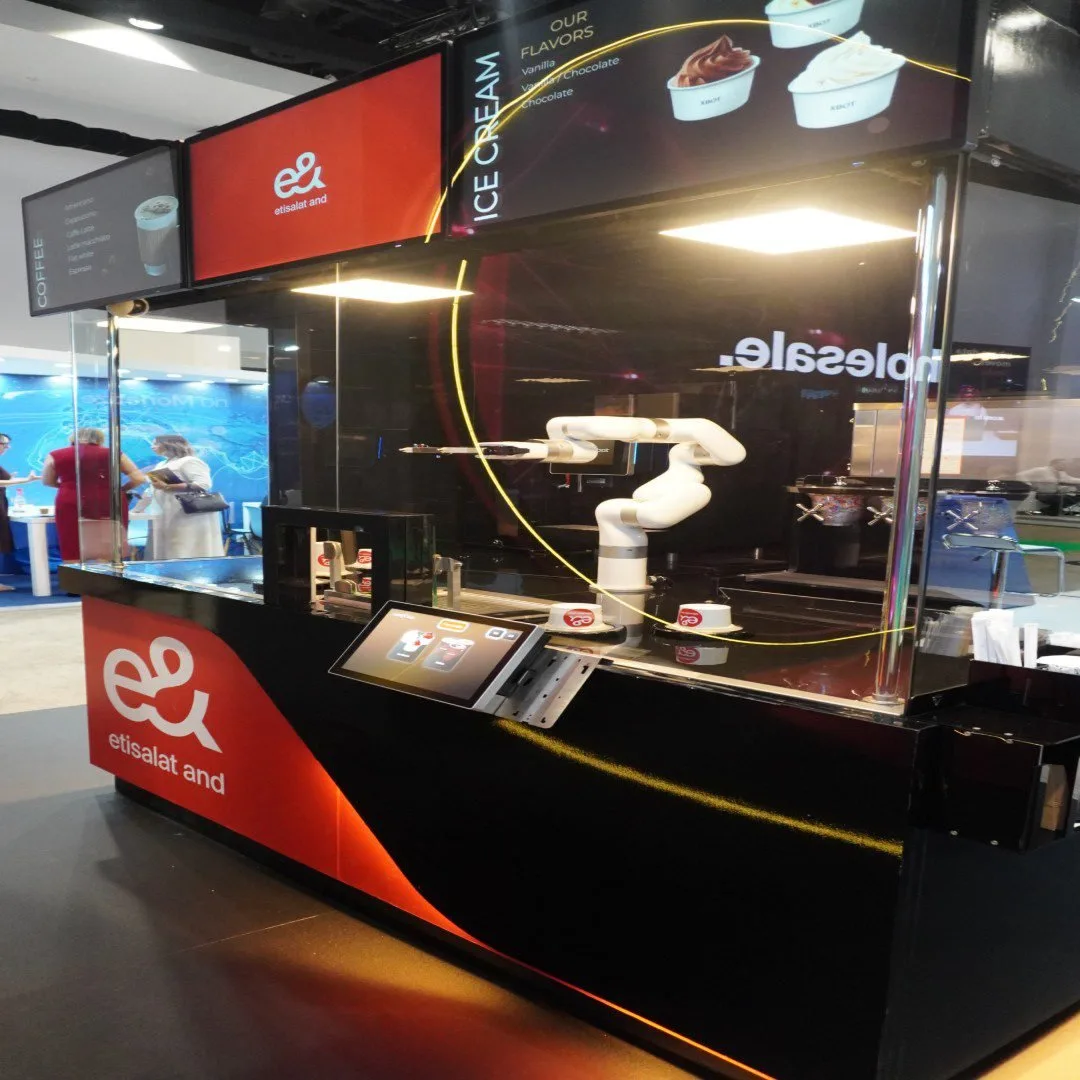
So, how robotic coffee preparation works is simple yet advanced. A robotic arm or automated system handles the full process inside a compact kiosk or café. The setup measures coffee grounds accurately, maintains steady water temperature, and controls brewing pressure according to the recipe selected. These features are part of an automated coffee brewing system, designed to reduce human error and improve efficiency.
Modern robotic coffee machines do much more than pour a basic espresso. They can prepare cappuccinos, iced lattes, and even decorative drinks with carefully foamed milk. Customers order through touchscreens or mobile apps, and the system completes the drink with precision. Built-in sensors help maintain freshness, hygiene, and the right temperature.
The concept of a robotic café is growing quickly in places like airports, business centers, and universities. These automated cafés operate around the clock and deliver the same standard of coffee every time. Many visitors enjoy watching the robot at work, turning an ordinary coffee run into a new kind of experience.
In reality, robotic coffee preparation is not replacing baristas. It supports them by offering speed, accuracy, and reliability while leaving the art and creativity of presentation to human hands.
Understanding Manual Coffee Preparation
Manual brewing is where craftsmanship and passion come together. It’s the process that relies on human touch, the grind size, brewing time, and pour technique, to bring out the unique personality of each cup. Baristas dedicate years to mastering their technique, turning every drink into a personalized creation.
Whether it’s an espresso shot pulled with precision or a slow pour-over that reveals delicate notes, manual brewing celebrates individuality and creativity. Every cup feels alive, shaped by the barista’s intuition and mood. This personal touch creates an emotional connection that keeps traditionalists loyal to hand-crafted coffee.
Yet, manual brewing has its limits. It demands time, consistency, and constant focus. In busy environments, even skilled baristas can struggle to maintain uniform quality. Still, this is what makes manual preparation so appealing: it’s perfectly imperfect, a reflection of human artistry that technology aims to match as robotic coffee preparation grows in popularity.
Comparing the Two Brewing Styles
| Aspect | Manual Coffee Preparation | Robotic Coffee Preparation |
|---|---|---|
| Precision & Consistency | Relies on the barista's skill and routine. Slight changes in grind, pressure, or timing affect the flavor. | Controlled by calibrated systems. Every cup follows the same process, giving steady results. |
| Speed & Efficiency | Slower during rush hours because each cup is made by hand. | Operates quickly and handles more orders in less time, ideal for a busy robot coffee bar. |
| Taste & Quality | Flavor varies based on the barista’s expertise and mood. | Balanced flavor due to accurate control of temperature and timing by robotic coffee machines. |
| Experience & Emotion | Offers a personal, human touch that many coffee lovers value. | Creates a modern robotic coffee experience with curiosity and novelty. |
| Cost & Maintenance | Needs trained staff and constant attention to cleaning and upkeep. | Lower long-term cost, fewer staff needed, and automated maintenance alerts. |
| Barista vs Robot | Human skill delivers artistry but lacks speed and uniformity. | Machines bring reliability and precision that support human creativity. |
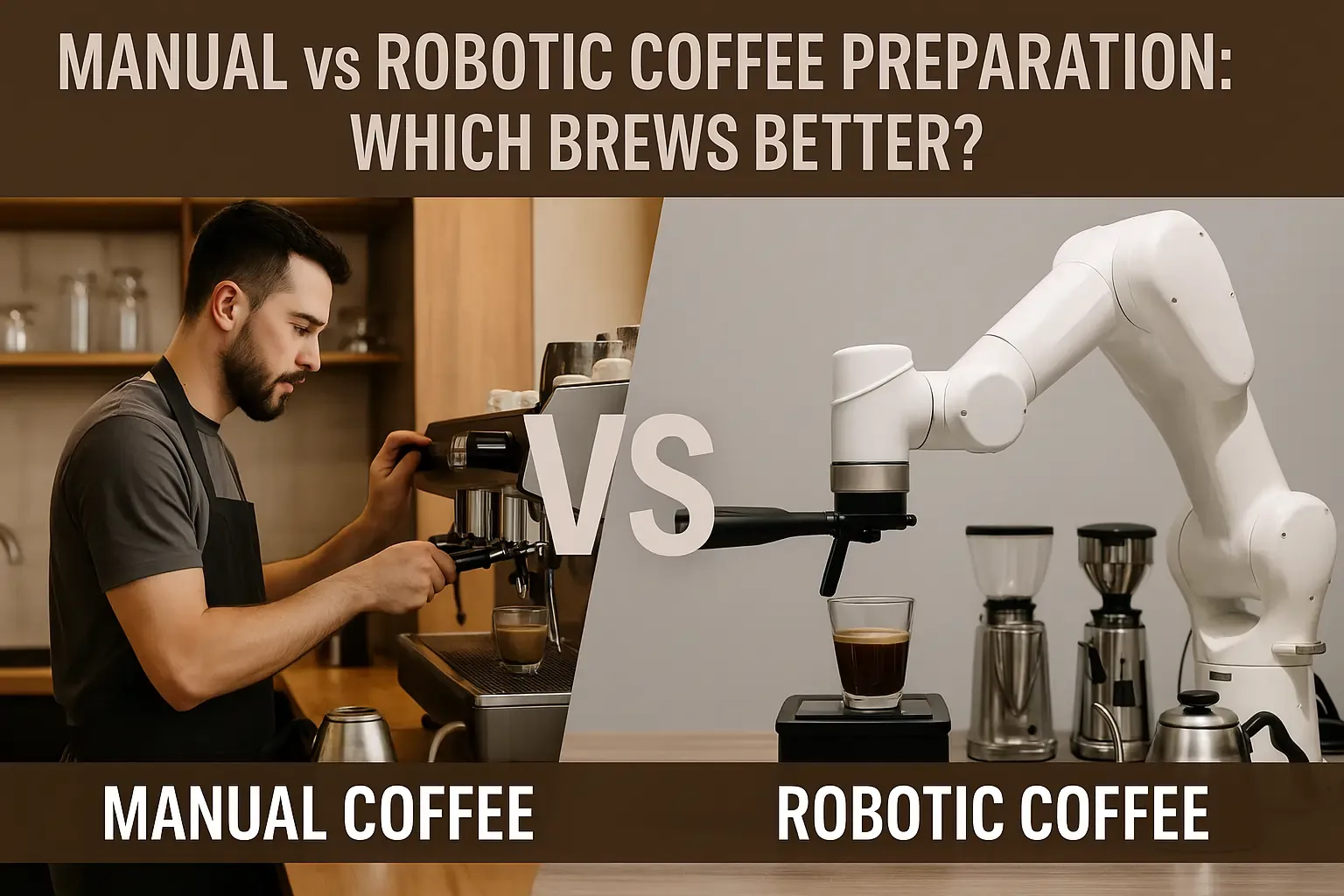
Both methods have their place in the coffee world. Manual brewing connects through craftsmanship, while robotic coffee preparation brings innovation, speed, and dependability. The best cafés often use a mix of both to balance warmth and efficiency.
Sustainability and Cost Efficiency
5.1 Waste Reduction and Resource Use
Coffee automation helps reduce waste by dosing grounds accurately and timing extraction with care. Fewer mis-pulls mean fewer discarded shots. Precise milk steaming also cuts leftovers in pitchers, which lowers dairy waste over time. Manual workflows can achieve similar results with strict routines, yet small slips in timing or measurement often add up during a busy day.
5.2 Energy and Maintenance
Automated systems manage warm-up cycles, idle modes, and cleaning prompts, which improves energy control across the week. Clear maintenance schedules prevent surprise breakdowns and keep equipment performing at the right temperature and pressure. Manual operations rely on staff discipline for the same tasks. That can work well in smaller shops, although consistency is harder to sustain across shifts.
5.3 Labor and Throughput
Automation allows one supervisor to oversee multiple stations, which increases the number of drinks produced per hour. This helps during peak times without expanding the team. Manual stations still shine for specialty drinks and guest interaction, though scaling that experience requires more training and higher staffing levels.
5.4 Total Cost of Ownership
Upfront costs for advanced equipment may be higher, but long-term savings come from steadier output, fewer remakes, and tighter control over ingredients. These are the practical benefits of robotic coffee preparation in financial terms. Manual setups have lower entry costs, which suits cafés focused on smaller volumes and highly personal service.
The Future of Coffee: Harmony, Not Competition
6.1 Hybrid Models in Modern Cafés
The most sustainable path forward blends human craft with automation. A station led by a barista handles signature pours and latte art, while an automated line supports steady demand. This mix keeps service quick, protects quality, and leaves room for creativity where it matters.
6.2 Roles Evolving, Skills Deepening
Baristas shift toward roles that need judgment and hospitality. Calibration, sensory evaluation, drink design, and guest education become core skills. Automated stations manage repetitive tasks, so teams spend more time on flavor, presentation, and service.
6.3 Guest Experience by Choice
Some guests want conversation and ritual. Others want a calm, seamless pickup. Offering both paths increases satisfaction and repeat visits. Clear signage, simple ordering flows, and consistent recipes help each guest choose the experience they prefer.
6.4 Operational Resilience
Automation supports steady output during peaks and provides reliable backups when staffing is tight. Manual expertise covers edge cases, seasonal menus, and complex drinks. Together, they create a café that adapts smoothly to changing demand.
6.5 Where Innovation Heads Next
The future of coffee points to smarter telemetry, more accurate grinders, and tighter temperature control. Data helps anticipate maintenance and keeps extraction in range across locations. With these tools, robotic coffee preparation handles consistency at scale, while baristas push flavor boundaries and brand identity.
Ready to Brew Profits with Robotic Coffee?
Step into the future with CafeXbot by VendingLab.tech—a cutting-edge investment opportunity in the rapidly growing Robotic Coffee industry. With its autonomous operation, low-maintenance model, and proven earning potential, CafeXbot is redefining how smart cafés generate passive income at scale.
👉 Whether you’re a savvy investor, a hands-off entrepreneur, or a visionary looking to capitalize on automation, CafeXbot puts the future of coffee directly in your hands.
💼 Invest in CafeXbot today—where technology meets profitability.
Conclusion: Which Brews Better?
Both methods can deliver an excellent cup. Robotic coffee preparation protects recipe accuracy, keeps service steady, and reduces remakes. Manual brewing brings craft, small adjustments, and a personal touch. In practice, the better choice depends on context. A quiet specialty bar rewards hand work, while a busy venue benefits from a measured, repeatable flow. Seen this way, manual vs robotic coffee is not a fight, it is a choice that cafés can make per drink, per hour, and per guest. For many visitors, the barista vs robot question is about mood and time, not right or wrong.