
Over the past few years, investors have experienced extreme market swings, inflation pressure, geopolitical uncertainty, and sudden valuation crashes. While long term equity investing still has its place, many individuals are now actively searching for safer alternatives to stock market investing that can generate predictable income with lower volatility.
The reality is simple. Not everyone is comfortable watching portfolio values fluctuate daily. Some investors prioritize capital preservation, stable monthly cash flow, and asset backed returns instead of speculative growth. That shift is driving interest toward business ownership models, automated income systems, real assets, and fixed yield instruments.
In this guide, we explore 10 carefully selected alternatives to stock market investing in 2026. These options focus on:
- Lower volatility
- Tangible or asset backed value
- Recurring income potential
- Diversification beyond equities
- Clear risk to reward structure
We begin with one of the most modern and scalable cash flow opportunities available today: robotic café investment.
Why Consider Alternatives to Stock Market Investing?
Before exploring the options, it is important to understand why alternatives to stock market investing are gaining momentum in 2026.
1. Market Volatility Can Erode Confidence
Stock markets are influenced by macroeconomic data, interest rate cycles, investor sentiment, and global events. Even fundamentally strong companies can lose significant value during downturns. For conservative investors or retirees, that volatility can create stress and uncertainty.
In contrast, many alternatives to stock market investments focus on stable income instead of daily price movement.
2. Cash Flow vs Paper Gains
Traditional equity investing often depends on long term capital appreciation. Returns are largely unrealized until assets are sold. Many investors now prefer:
- Monthly recurring revenue
- Dividend style income
- Business generated cash flow
- Yield based assets
Owning an income producing asset often feels more predictable than owning fluctuating shares.
3. Diversification Beyond Equities
Portfolio diversification reduces overall risk exposure. When a portfolio is entirely tied to equities, economic downturns can impact everything simultaneously. Alternatives to stock market investing such as real estate, automated retail, bonds, and private businesses typically show lower correlation with daily stock price swings.
4. Control and Transparency
When you invest in the stock market, you rely on corporate management and external market factors. With certain alternative investments, especially direct business ownership models, you gain greater transparency over revenue drivers and operational performance.
For many investors in 2026, the goal is not maximum speculation. It is stable growth, predictable returns, and risk adjusted performance.
1. Robotic Café Investment (Automated, Asset Backed Income Model)
Among the most innovative alternatives to stock market investing today is the robotic café business model. Unlike equities that depend on market sentiment, this investment is tied to real world demand for coffee, one of the most consumed beverages globally.
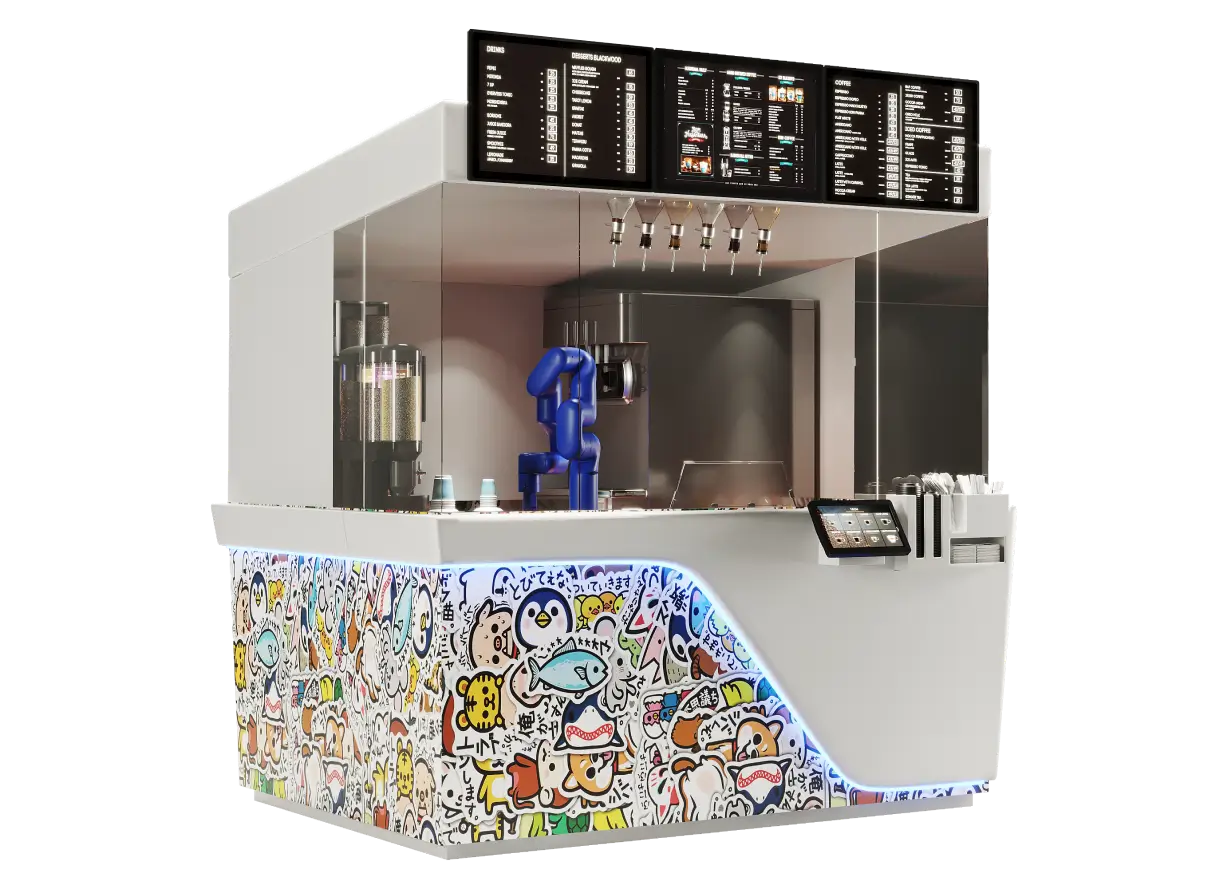
A robotic café is an automated coffee kiosk powered by robotic arms and smart systems. It prepares beverages without the need for full time staff. Installed in high traffic locations such as malls, airports, corporate buildings, hospitals, and exhibition centers, it generates revenue from direct daily sales.

How a Robotic Café Generates Revenue
Revenue is straightforward and performance based:
- Coffee sales per cup
- High margin beverage pricing
- Add on items such as specialty drinks
- Location based foot traffic conversion
Because the model is transactional, returns are based on actual customer purchases rather than stock price appreciation.
Why This Is a Strong Alternative to Stock Market Investing
A robotic café stands out among alternatives to stock market investing for several reasons:
- It is asset backed, you own physical equipment.
- Revenue is linked to daily consumer demand.
- It offers automation driven cost efficiency.
- It can operate extended hours with minimal staffing.
- Income is measurable in real time.
Instead of watching price charts fluctuate, investors monitor cup sales, foot traffic, and gross margins.
Key Advantages of Robotic Café Investment
- Lower operational cost compared to traditional cafés
- Automated production improves consistency
- 24 by 7 potential operation
- Attractive tech appeal in modern retail spaces
- Scalable model with multiple unit expansion
Risk Profile and Return Drivers
Like any business, performance depends on:
- Location quality
- Pricing strategy
- Foot traffic volume
- Operational efficiency
However, compared to speculative trading, robotic cafés offer a more tangible and controllable revenue model. Investors can analyze average daily sales, gross margin per cup, and projected payback period based on location data.
Who Is This Best For?
This model is suitable for:
- Investors seeking passive or semi passive income
- Entrepreneurs who prefer asset ownership
- Investors looking to diversify outside equities
- Individuals interested in technology driven retail
In 2026, automated retail and smart vending models are emerging as modern alternatives to stock market exposure. Instead of relying solely on financial markets, investors can participate in a real business powered by automation and consumer demand.
Turn Automation Into a Stable Income Asset
If you are looking for safe alternatives to stock market investing in 2026, consider owning a tangible, revenue-generating asset. The CafeXBot Robotic Café operates with minimal staff, delivers consistent product quality, and allows full remote monitoring of sales and performance.
Instead of market volatility, you gain operational control and daily cash flow powered by automation.
👉 Explore the CafeXBot robotic café investment opportunity.
2. High Yield Savings Accounts and Fixed Deposits
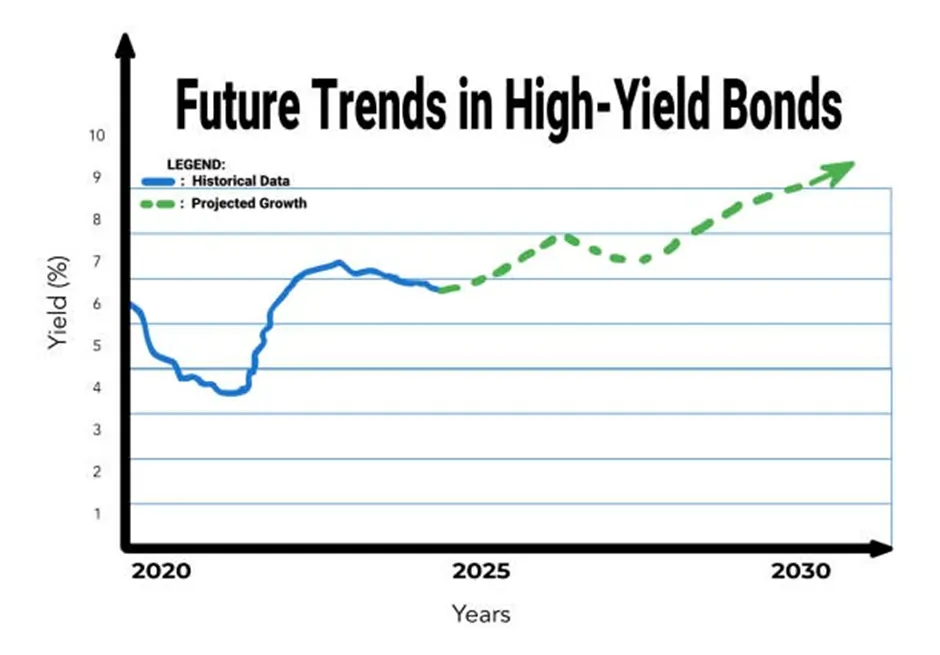
For investors prioritizing capital preservation over aggressive growth, high yield savings accounts and fixed deposits remain among the simplest alternatives to stock market investing. These instruments are designed to protect principal while generating predictable interest income.
Unlike equities, returns here do not depend on market performance. Instead, earnings are tied to interest rates set by financial institutions.
How They Work
- You deposit a fixed amount for a defined period.
- The bank pays a predetermined interest rate.
- At maturity, you receive your principal plus interest.
Savings accounts provide liquidity, while fixed deposits lock funds for higher returns.
Why Investors Choose This Option
- Capital safety in regulated banking systems
- Predictable, guaranteed returns
- No daily price fluctuations
- Simple structure, minimal monitoring
Best For
- Conservative investors
- Short term capital parking
- Emergency funds
- Retirees seeking stability
While returns are generally lower than business ownership or real estate, this remains one of the safest alternatives to stock market investing for preserving wealth.
3. Real Estate Rental Income

Real estate has long been considered one of the most reliable alternatives to stock market investing. Unlike stocks, property generates income from tenant payments rather than valuation speculation.
Rental properties offer two potential benefits:
- Monthly cash flow
- Long term asset appreciation
Types of Rental Investments
- Residential apartments
- Commercial offices
- Retail units
- Short term rentals
Why It Appeals to Investors
- Tangible asset ownership
- Inflation hedge, rents can rise over time
- Recurring income stream
- Leverage opportunities through financing
Risk Factors
- Vacancy periods
- Maintenance costs
- Market specific downturns
- Regulatory changes
Compared to stock trading, rental income is directly linked to tenant demand, not stock indexes. That makes it one of the more stable alternatives to stock market investing in diversified portfolios.
4. Government Bonds and Treasury Securities

Government issued bonds are widely regarded as low risk income instruments. Investors lend money to a government and receive fixed interest payments over time.
For those seeking predictable returns, bonds represent conservative alternatives to stock market exposure.
How Bonds Generate Income
- Fixed coupon payments
- Principal returned at maturity
- Interest rate based yield
Advantages
- Backed by government credit
- Lower volatility compared to equities
- Structured maturity timeline
Limitations
- Returns may not outpace inflation
- Sensitive to interest rate cycles
- Lower upside compared to business investments
Bonds are suitable for investors focused on capital protection rather than high growth.
5. Dividend Focused REITs
Real Estate Investment Trusts, or REITs, allow investors to participate in property income without directly managing physical real estate. These trusts own income generating properties and distribute a portion of profits to investors.
Although publicly traded, REITs behave differently than traditional stocks because returns are linked to rental income performance.
Why Consider REITs
- Access to commercial real estate
- Regular dividend payouts
- Lower entry capital than direct ownership
- Portfolio diversification
Risk Considerations
- Interest rate sensitivity
- Market price volatility
- Sector specific exposure
For investors seeking income driven alternatives to stock market participation, REITs can provide a hybrid solution.
6. Peer to Peer Lending Platforms

Peer to peer lending connects investors directly with borrowers through digital platforms. Investors earn interest by funding personal or business loans.
This model shifts focus from stock price speculation to interest yield generation.
Income Structure
- Fixed or variable interest payments
- Portfolio diversification across borrowers
- Risk scoring based lending models
Benefits
- Higher potential yield than savings accounts
- Passive income model
- Digital automation
Risks
- Borrower defaults
- Platform risk
- Liquidity limitations
When diversified properly, peer lending can serve as one of the yield oriented alternatives to stock market investing.
7. Gold and Precious Metals

Gold has historically been viewed as a store of value during inflationary cycles, currency instability, and financial crises. For investors seeking capital protection rather than growth speculation, precious metals often rank among traditional alternatives to stock market investing.
Unlike equities, gold does not depend on corporate earnings. Its value is driven by global demand, central bank reserves, currency strength, and macroeconomic conditions.
Ways to Invest in Precious Metals
- Physical gold bars or coins
- Silver bullion
- Gold backed exchange traded products
- Vault storage programs
Why Investors Allocate to Gold
- Hedge against inflation
- Portfolio diversification
- Crisis resistant asset
- Global liquidity
Limitations
- Does not generate recurring income
- Storage and security costs for physical metals
- Price influenced by global macro trends
Gold works best as a defensive allocation within broader alternatives to stock market investing rather than as a primary income source.
8. Franchise Business Ownership

Franchise businesses combine entrepreneurship with structured systems. Instead of building from scratch, investors operate under an established brand with predefined processes.
For individuals who want active participation and scalable income, franchises present business-oriented alternatives to stock market investing.
How Franchise Investment Works
- Pay the initial franchise fee
- Follow established brand system
- Operate under standardized guidelines
- Share revenue with franchisor
Advantages
- Proven business model
- Brand recognition
- Operational training support
- Revenue based on daily sales
Risks to Consider
- Upfront capital requirement
- Ongoing royalty payments
- Operational involvement required
- Location sensitivity
Franchise ownership can generate steady business income, making it a viable alternative to stock market exposure for entrepreneurial investors.
9. Agricultural and Farmland Investments

Farmland and agricultural assets are tangible, income producing investments tied to global food demand. Unlike equities, farmland value and crop income are connected to commodity markets and production cycles rather than stock market sentiment.
Income Generation Models
- Leasing land to farmers
- Crop revenue participation
- Agricultural funds
- Commodity exposure
Why Investors Consider Farmland
- Long term land appreciation
- Inflation correlation
- Essential demand, food supply
- Low correlation with equities
Challenges
- Weather and climate risk
- Commodity price fluctuations
- Limited liquidity
- Operational complexity
For long horizon investors, farmland provides asset backed diversification among alternatives to stock market investing.
10. Private Business Equity and Small Business Partnerships

Investing in private operating businesses allows individuals to participate in revenue, profit sharing, and long term growth outside public markets. Unlike stocks traded daily, private business equity is valued based on earnings performance and strategic expansion.
How It Works
- Invest capital into a private company
- Receive equity ownership stake
- Share in profits or dividends
- Potential exit through sale or expansion
Key Benefits
- Direct exposure to operational performance
- Higher potential return compared to fixed income
- Greater transparency if actively involved
- Scalable wealth creation
Risks
- Illiquidity
- Business failure risk
- Due diligence complexity
- Management dependency
Private equity style investments appeal to individuals who want control and business growth potential rather than passive financial assets.
Diversify with Technology-Driven Retail
Food and beverage remains a consistently demanded sector. CafeXBot combines robotics and AI to deliver premium drinks quickly while reducing overhead costs.
For investors seeking safer alternatives beyond traditional equities, automated retail offers scalable growth with measurable performance.
👉 Discover how robotic cafés can strengthen your portfolio.
Summary Insight
Across all ten options discussed, the strongest theme among effective alternatives to stock market investing is this:
- Tangible assets or structured cash flow models reduce reliance on market speculation.
- Income based investments provide more predictability than price appreciation alone.
- Diversification across multiple asset types can stabilize overall portfolio performance.
From defensive assets like gold and government bonds to revenue driven business models such as robotic cafés and private equity, investors in 2026 have access to diversified alternatives to stock market participation that balance risk, income, and long term security.
How to Choose the Right Alternative Investment in 2026
With so many alternatives to stock market investing available, the key question becomes, which one fits your financial goals, risk tolerance, and lifestyle?
The right decision depends less on trends and more on alignment. Below is a practical framework to help investors evaluate options objectively.
1. Define Your Primary Objective
Ask yourself:
- Do you want a steady monthly income?
- Are you focused on capital preservation?
- Are you aiming for long term asset growth?
- Do you prefer active involvement or passive investing?
For example, a robotic café or franchise business suits income focused investors, while bonds or high yield savings accounts prioritize capital protection.
2. Assess Risk Tolerance
Every alternative carries some degree of risk.
| Risk Level | Typical Investments |
|---|---|
| Low | Government bonds, savings accounts |
| Moderate | REITs, peer to peer lending, gold |
| Medium to Higher | Robotic café, franchise, private equity |
Understanding your comfort level with potential variability is essential before moving away from traditional equities.
3. Evaluate Liquidity Needs
Liquidity refers to how quickly you can access your capital.
- High liquidity: Savings accounts, listed REITs
- Moderate liquidity: Bonds, peer lending
- Low liquidity: Real estate, farmland, private business
Investors who may need access to funds quickly should prioritize flexibility.
4. Analyze Cash Flow Potential
One of the primary reasons people seek alternatives to stock market investing is predictable income.
Consider:
- Is income monthly or annual?
- Is it fixed or performance based?
- How stable is demand?
Automated retail models such as robotic cafés offer performance linked cash flow, while bonds provide fixed returns.
5. Diversify Within Alternatives
Avoid replacing 100 percent of equities with one single asset. A balanced approach might include:
- Asset backed business model
- Defensive instruments
- Income producing real assets
Diversification remains one of the most powerful risk management tools available.
Pros and Cons of Avoiding the Stock Market Completely
While exploring alternatives to stock market opportunities can improve stability, removing equities entirely may not suit every investor.
Advantages
- Reduced exposure to daily volatility
- Lower emotional stress
- Predictable income streams
- Tangible asset ownership
- Greater control in direct business investments
Disadvantages
- Potentially lower long term capital growth
- Reduced liquidity in some alternatives
- Business operational risk
- Inflation impact on fixed return instruments
For many investors, the optimal strategy is not total avoidance but partial reallocation into alternatives to stock market options that balance income and growth.
Conclusion
In 2026, investors are no longer limited to traditional equities. A wide range of alternatives to stock market investing now exists, offering diversified pathways to income, capital preservation, and long-term asset ownership.
From conservative instruments like bonds and savings accounts to tangible opportunities such as real estate, farmland, and private business equity, each option serves a unique financial objective.
Among the most forward-looking alternatives to stock market exposure is automated retail, particularly robotic café investments. Backed by real-world consumer demand, technology-driven efficiency, and scalable revenue models, it bridges the gap between passive income and business ownership.
The smartest strategy is rarely all or nothing. It is thoughtful diversification. By combining stable instruments with income-generating assets, investors can build a portfolio designed not just to grow, but to endure market cycles with confidence.