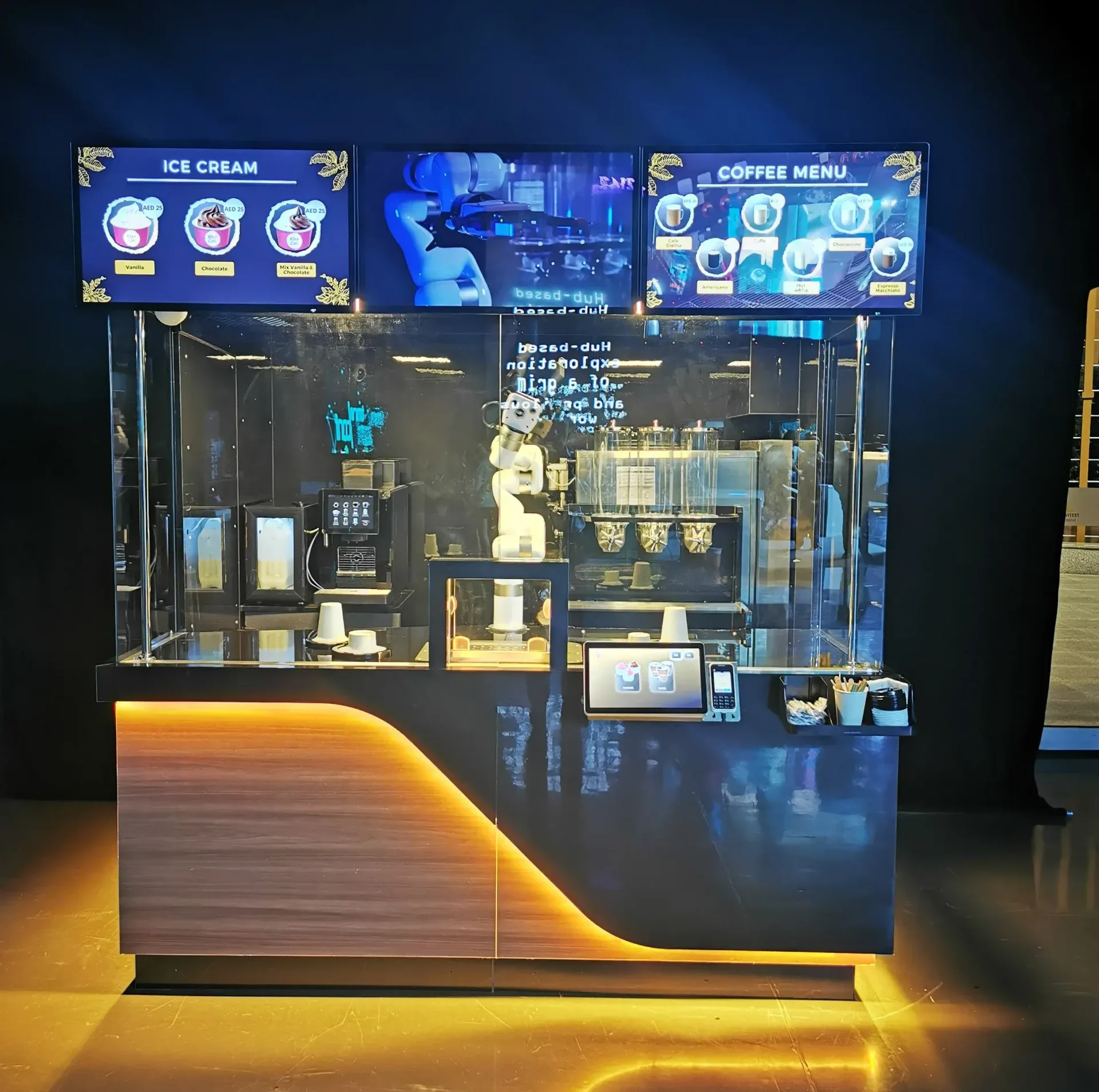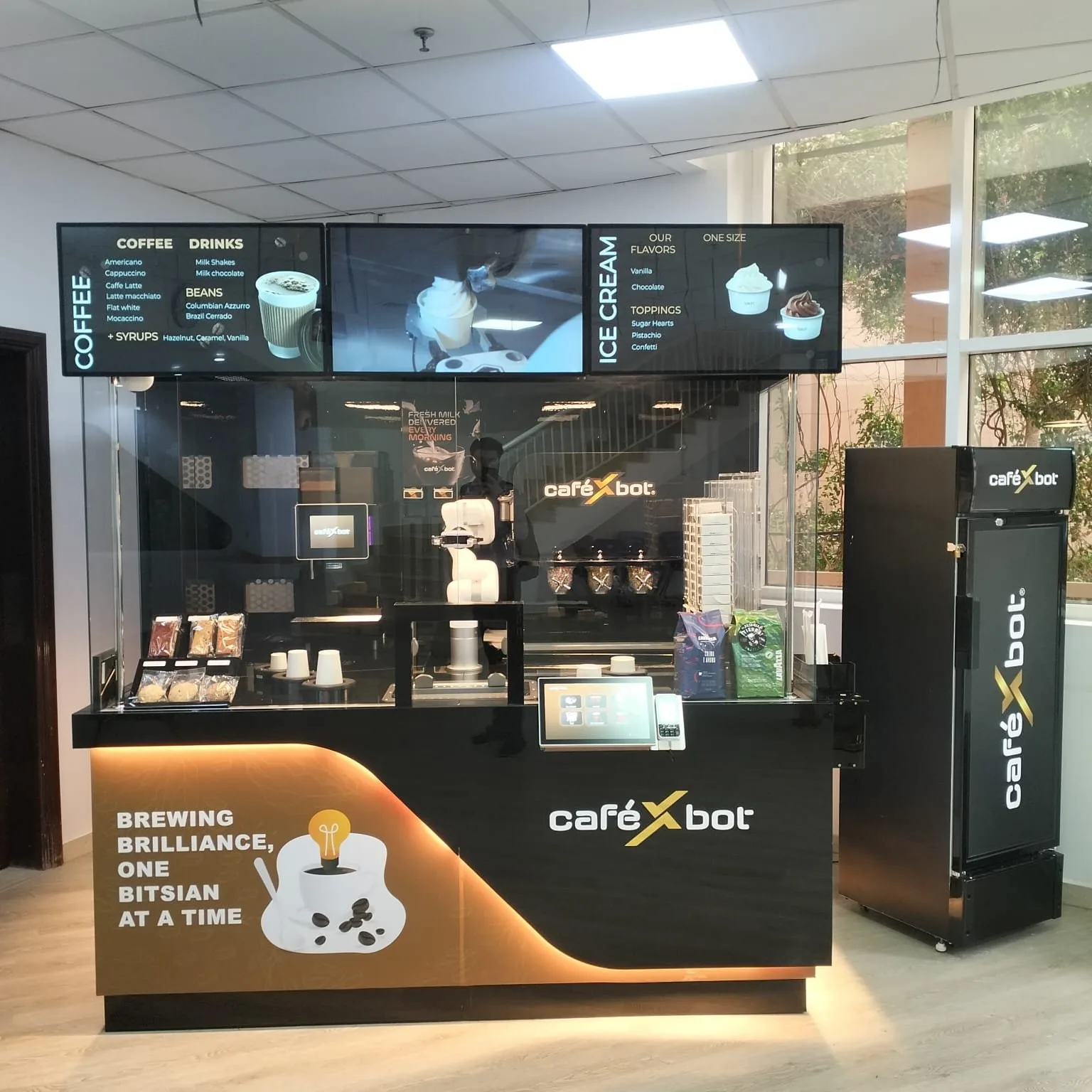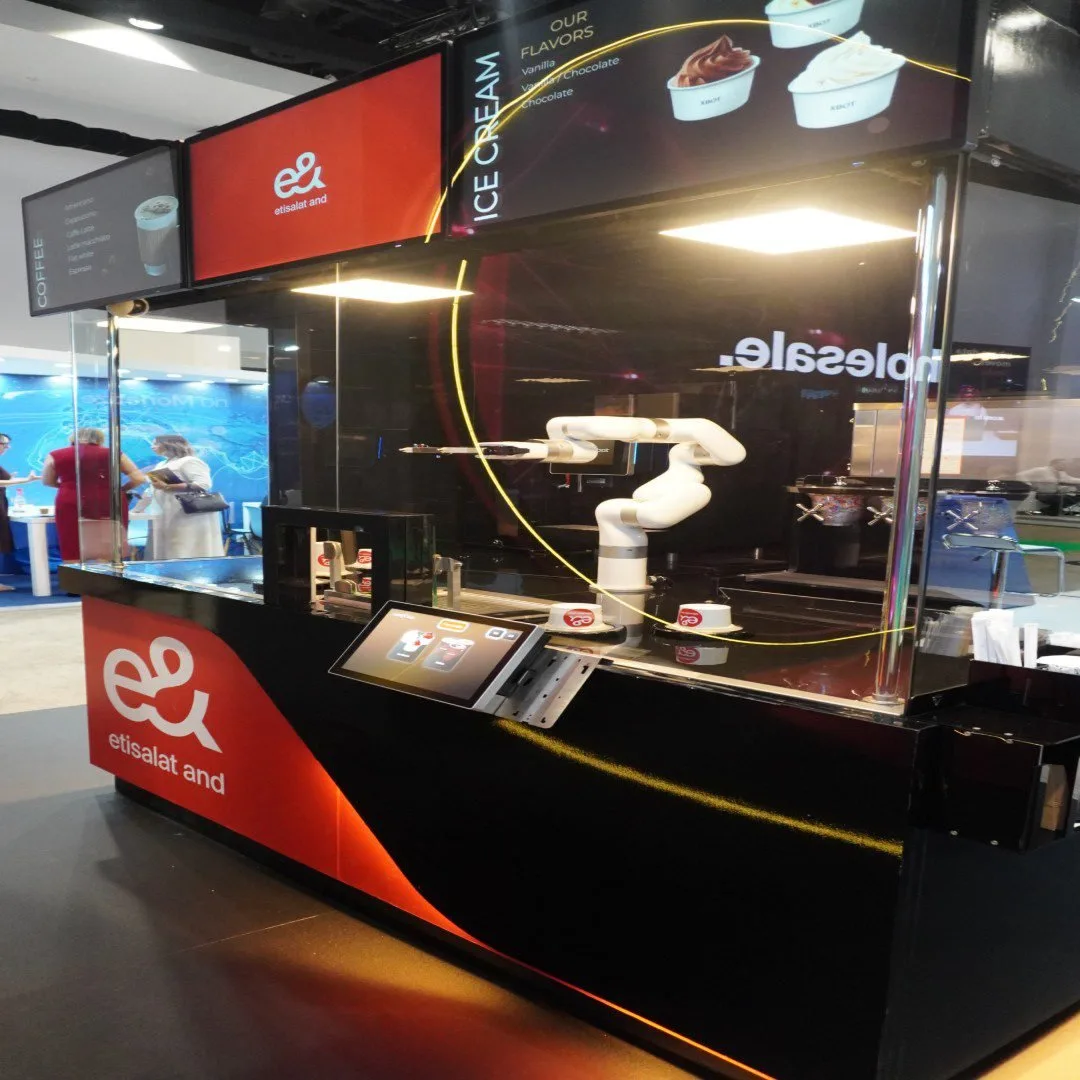
You’ve probably walked past a robotic barista kiosk in an airport or shopping mall and wondered: is that thing actually making money? The short answer, backed by real operator data in 2026, is a decisive yes. Robotic cafe ROI is not a theoretical projection anymore. It is a measurable, repeatable outcome that operators across the globe are achieving right now.
At VendingLab, we work closely with operators who run automated coffee kiosks and unmanned cafe setups. We have seen firsthand which locations perform, where the numbers break down, and what it actually takes to cross the 100% ROI threshold. This article gives you the complete picture: no fluff, no sales pitch.
Where Robotic Cafe ROI Hits Its Peak
Location is the single most important variable in automated cafe profitability. Not every placement delivers equal returns. Operators who understand foot traffic patterns, dwell time, and captive audience dynamics consistently outperform those who simply install a unit and hope for the best.
Based on deployment data and operator feedback across the industry, the top-performing environments for robotic cafe ROI are:
- Airports and transit hubs: Passengers have limited time, disposable income, and no real alternatives. Revenue during off-hours (10 PM–6 AM) alone often covers monthly operating costs.
- Office parks and corporate lobbies: Predictable daily traffic, high repeat customers, and a captive audience willing to pay a premium for convenience.
- Hospitals and university campuses: 24-hour demand cycles with consistent foot traffic. Hospital locations serve a stressed, time-constrained audience with very low price sensitivity.
- Shopping malls and entertainment venues: High impulse-purchase rates, especially near anchor stores where queue times at staffed outlets drive consumers toward faster alternatives.
- Gyms and fitness centers: Post-workout specialty beverages command premium pricing with a health-conscious audience that already values efficiency.
High-traffic installations in the top tier of these categories have recorded payback periods as short as two to four months. Even a moderate-traffic placement in a secondary mall or regional office building typically recoups investment within five to eight months.
The Robotic Cafe vs. Traditional Cafe: A Direct Comparison
| Factor | Traditional Café | Robotic Café |
|---|---|---|
| Startup cost | $200,000–$500,000+ | $35,000–$100,000 |
| Monthly labor cost | $8,000–$25,000 | $0 (restocking only) |
| Operating hours | 8–12 hrs/day (staffed) | 24/7 fully autonomous |
| Gross margin per drink | 10–20% | 55–85% |
| Payback period | 3–7 years | 6–18 months |
| Beverage consistency | Variable (human error) | Programmatic precision |
| Scalability | High complexity | Low complexity: replicate the model |
| Turnover risk | High: avg. $5,800/departure | Zero staff turnover risk |
The comparison above makes clear that robotic cafe ROI advantages are structural, not marginal. The removal of labor as the dominant cost variable changes everything downstream.
What Actually Drives 100%+ Returns
Hitting the 100% ROI threshold requires attention to three core drivers. Operators who ignore any of these leave significant money on the table.
1. Labor Elimination as the Primary Lever
A fully loaded barista costs $16–$22 per hour in most major markets. Benefits, workers’ compensation insurance, and turnover push the effective cost higher. Eliminating two to three full-time equivalent positions saves $40,000–$80,000 annually per location. A $50,000 robotic unit pays for itself in labor savings alone before you count a single cup sold.
2. Revenue Capture During Off-Hours
A traditional café closes at 9 PM. A robotic kiosk never does. In airports, hospitals, and gyms, the window from 10 PM to 6 AM generates revenue that simply does not exist in the staffed model. Operators we have spoken with describe this as found money: sales that required no additional investment to unlock once the system was running.
3. Consistency Driving Repeat Purchase Behavior
A robotic barista system executes the same recipe with the same grind pressure, water temperature, and extraction time every single time. Customers who get the same quality drink on Tuesday morning as they got on Friday afternoon become reliable, high-frequency repeat buyers. Retention is the hidden ROI multiplier that most cost-focused analyses miss.
The Cost Structure: What You Actually Pay For
Understanding the full cost picture is just as important as understanding the revenue side. Here is an honest breakdown of what automated cafe ROI projections must account for.
💰 Typical Robotic Cafe Cost Categories
Against monthly revenues of $8,000–$15,000 in a well-placed unit, this lean operating expenditure creates a margin structure that is genuinely difficult to replicate in the traditional cafe model.
The one variable that operators consistently underestimate is the location lease. In high-demand venues like international airports or premium malls, property managers increasingly understand the value of machine placements and negotiate accordingly. Always model the worst-case location fee before committing.
Scaling Robotic Cafe ROI: From One Unit to a Portfolio
One of the most powerful aspects of the automated café business model is its scalability. Once you have optimised a single location (the right placement, pricing, menu mix, and restocking schedule), replicating that playbook across additional units requires very little incremental management effort.
A single operator managing five well-placed kiosks can realistically generate $200,000–$400,000 in annual net profit with a part-time operational commitment. Modern robotic cafe systems come equipped with real-time sales dashboards, inventory alerts, and remote diagnostics. You do not need to physically visit each unit to know which locations are underperforming and why.
Risks That Can Hurt Robotic Cafe ROI
No investment is without risk. Knowing these failure modes in advance separates the operators who succeed from those who don’t.
- Poor location selection: The number one failure mode. Minimum viable daily traffic is typically 200–500 people passing within line of sight of the unit.
- Underpricing: Raising the average ticket to $4.00–$5.00 with specialty offerings dramatically improves margin without significantly reducing volume.
- Neglecting maintenance schedules: A machine that is down for three days costs more in lost revenue than the maintenance itself. Preventive care is non-negotiable.
- Ignoring data: Operators who do not review unit sales data weekly miss critical signals: declining repeat rates, slow-selling items, or traffic pattern shifts.
- Overextending too fast: Master the playbook with one or two locations, then expand from a position of operational confidence.
Is 2026 the Right Time to Enter the Robotic Cafe Market?
The conditions in 2026 are exceptionally favorable for new operators entering the automated café space. Labor costs continue rising across most major markets. Minimum wages in cities like San Francisco, New York, and London have crossed thresholds that make traditional café staffing economically painful. Every dollar of wage increase directly widens the cost advantage of automation.
Consumer acceptance of unmanned service has matured significantly since 2020. Customers who once hesitated to order from a machine now prefer the speed and consistency it offers. Satisfaction scores from robotic systems frequently outperform staffed equivalents on app-based reviews.
Meanwhile, the technology has become far more accessible. Equipment that cost $150,000 in 2020 is now available in the $35,000–$60,000 range with greater capability and better remote management tools. The barriers to entry have dropped while the business case has strengthened.
The unmanned retail market is projected to exceed $58.5 billion globally. Entering now, before the best commercial locations are locked up by established operators, gives early movers a durable competitive advantage in placement.
Final Thoughts
Robotic cafe ROI in 2026 is not a hypothetical: it is documented, repeatable, and accessible to first-time operators willing to do the location research and commit to the operational discipline the model demands. The gross margins, payback periods, and scalability of automated coffee systems represent a fundamentally different risk-reward profile compared to traditional café ownership.
The operators who are winning in this space are not necessarily the ones with the most capital. They are the ones who chose their locations carefully, priced their menu intelligently, maintained their equipment consistently, and scaled methodically from one unit to many.
At VendingLab, we help aspiring and existing operators build profitable automated café businesses from the ground up. Whether you are evaluating your first unit or expanding a growing portfolio, our resources, guides, and operator network give you the edge to make smarter decisions faster.
Ready to Calculate Your Robotic Cafe ROI?
Explore VendingLab’s resources on robotic café setup costs, location strategy, and unit economics, built from real operator experience.
Explore VendingLab Resources →