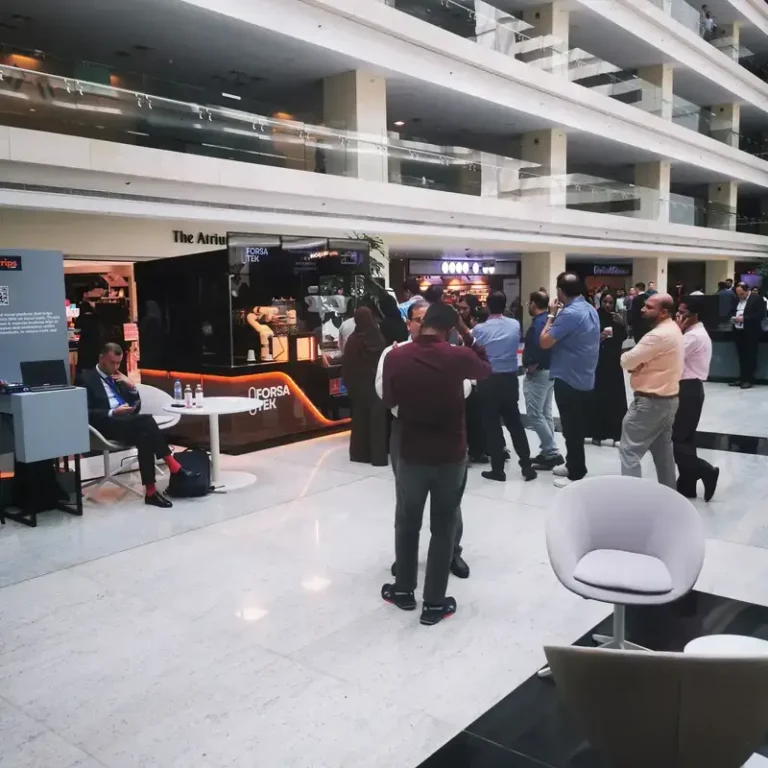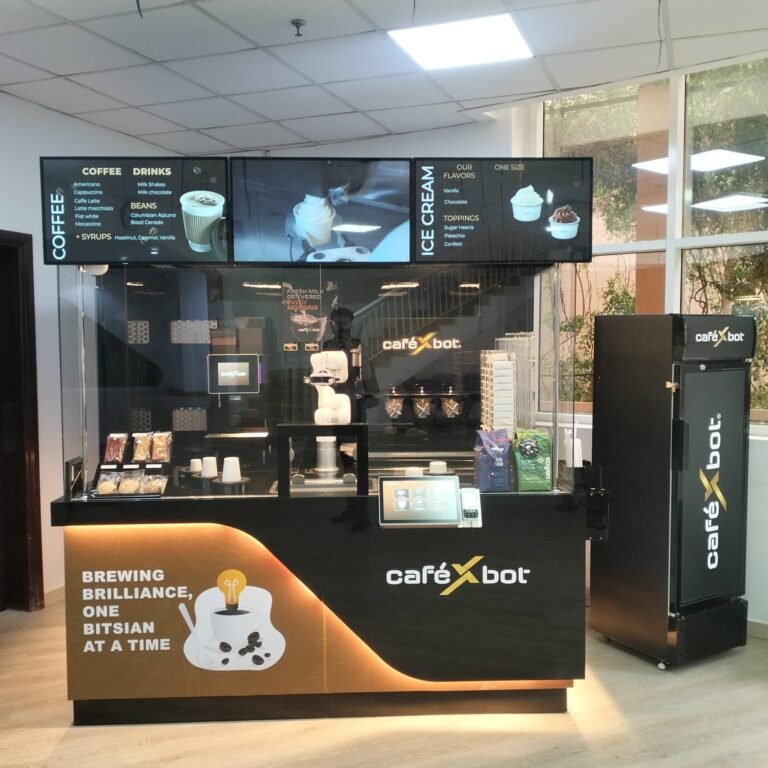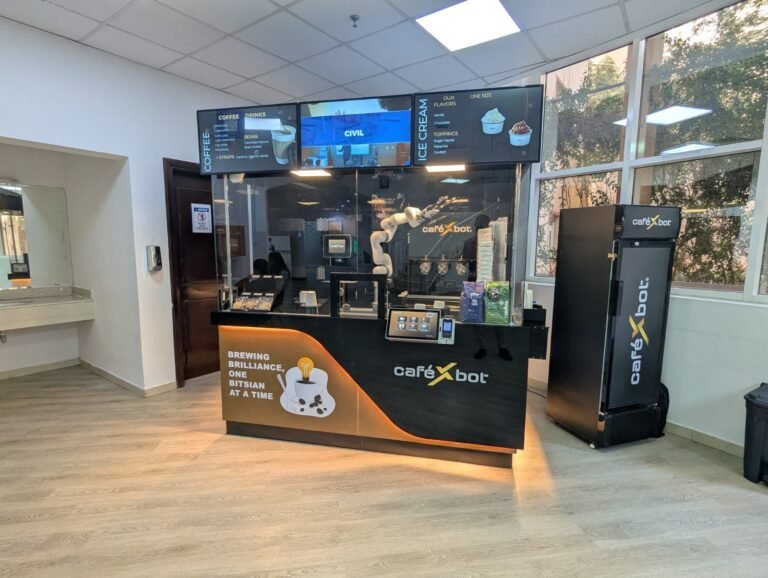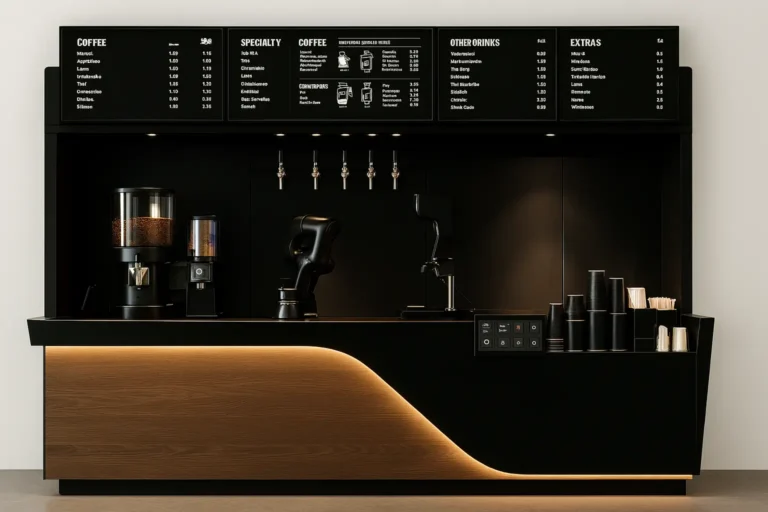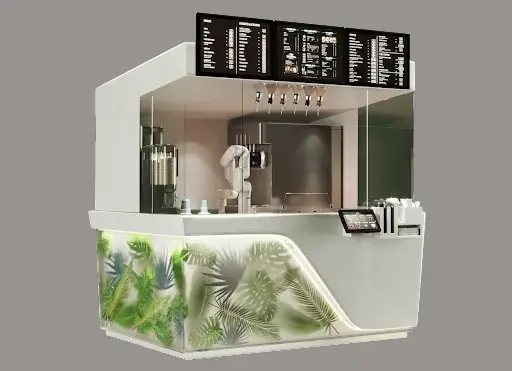
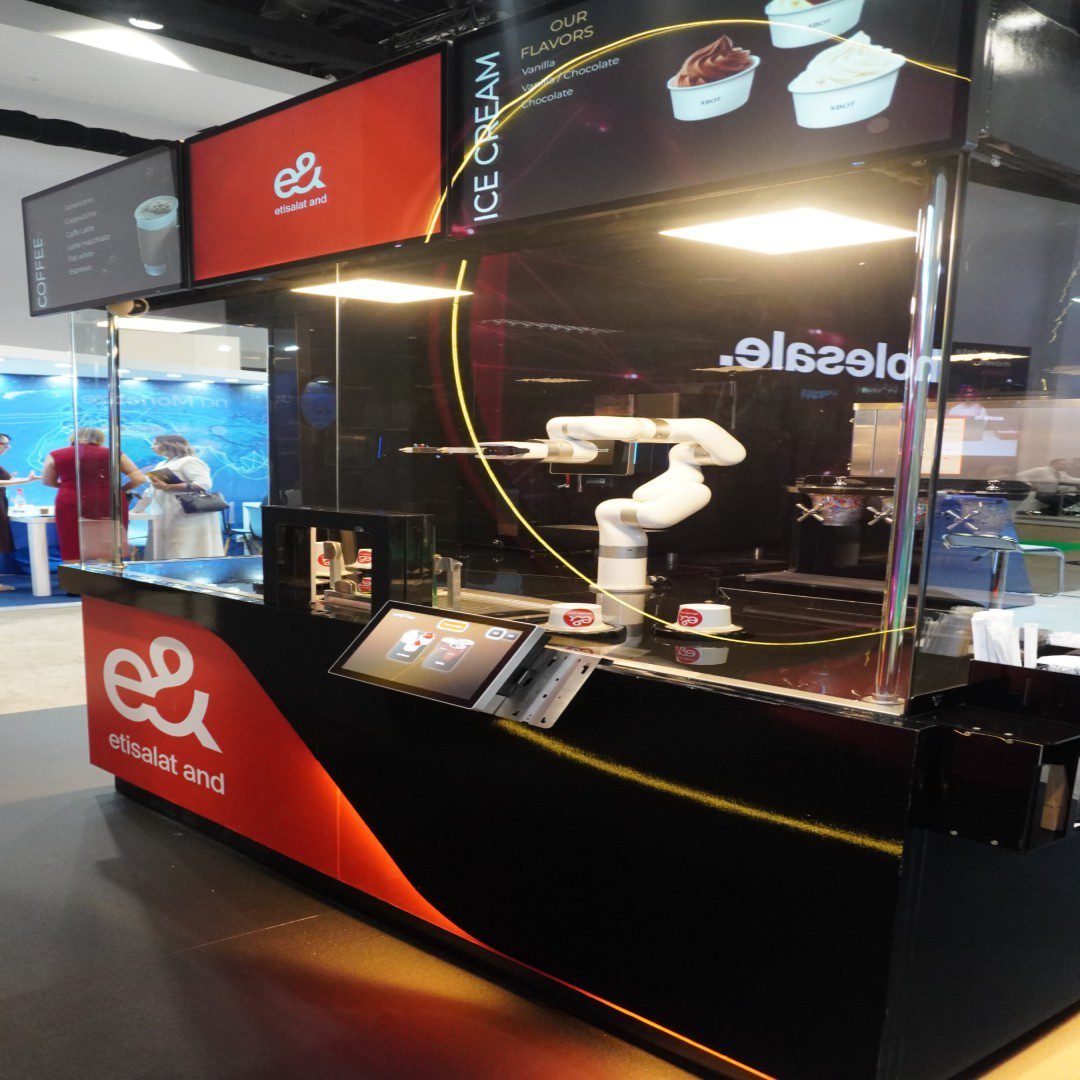
Il vous est probablement arrivé de passer devant un kiosque de barista robotisé dans un aéroport ou un centre commercial et de vous poser des questions : Est-ce que cette chose gagne réellement de l'argent ? La réponse courte, étayée par les données réelles des opérateurs en 2026, est un oui décisif. Le retour sur investissement des cafés robotisés n'est plus une projection théorique. Il s'agit d'un résultat mesurable et reproductible que les opérateurs du monde entier atteignent dès à présent.
Chez VendingLab, nous travaillons en étroite collaboration avec des opérateurs qui gèrent des kiosques à café automatisés et des cafés sans personnel. Nous avons vu de nos propres yeux quels emplacements sont performants, où les chiffres s'effondrent et ce qu'il faut faire pour franchir le seuil de 100% en termes de retour sur investissement. Cet article vous donne une vue d'ensemble de la situation, sans fioritures ni arguments de vente.
Où le retour sur investissement des cafés robotisés atteint son apogée
L'emplacement est la variable la plus importante pour la rentabilité des cafés automatisés. Tous les emplacements ne sont pas aussi rentables les uns que les autres. Les exploitants qui comprennent les schémas de circulation, le temps d'attente et la dynamique d'une audience captive surpassent systématiquement ceux qui se contentent d'installer un appareil et d'espérer que tout ira pour le mieux.
D'après les données de déploiement et les commentaires des opérateurs du secteur, les environnements les plus performants pour le retour sur investissement des cafés robotisés sont les suivants :
- Aéroports et centres de transit: Les passagers disposent d'un temps limité, d'un revenu disponible et n'ont pas d'alternative réelle. Les recettes des heures creuses (22h-6h) couvrent souvent à elles seules les coûts d'exploitation mensuels.
- Parcs de bureaux et halls d'entrée des entreprises: Un trafic quotidien prévisible, des clients fidèles et un public captif prêt à payer une prime pour la commodité.
- Hôpitaux et campus universitairesLes hôpitaux : des cycles de demande de 24 heures avec une fréquentation régulière. Les hôpitaux accueillent un public stressé, limité dans le temps et très peu sensible aux prix.
- Centres commerciaux et lieux de divertissement: Des taux élevés d'achats impulsifs, en particulier à proximité des magasins piliers où les files d'attente dans les points de vente avec personnel poussent les consommateurs à opter pour des solutions plus rapides.
- Gymnases et centres de remise en forme: Les boissons spécialisées post-entraînement se vendent au prix fort auprès d'un public soucieux de sa santé et qui accorde déjà de l'importance à l'efficacité.
Les installations à forte fréquentation situées dans la partie supérieure de ces catégories ont enregistré des périodes d'amortissement aussi courtes que deux à quatre mois. Même une installation à trafic modéré dans un centre commercial secondaire ou un immeuble de bureaux régional permet généralement de récupérer l'investissement en cinq à huit mois.
Café robotisé et café traditionnel : Une comparaison directe
| Facteur | Café traditionnel | Café robotique |
|---|---|---|
| Coût de démarrage | $200,000–$500,000+ | $35,000–$100,000 |
| Coût mensuel de la main-d'œuvre | $8,000–$25,000 | $0 (réapprovisionnement uniquement) |
| Heures de fonctionnement | 8-12 heures/jour (avec personnel) | Entièrement autonome 24 heures sur 24 et 7 jours sur 7 |
| Marge brute par boisson | 10-20% | 55-85% |
| Délai de récupération | 3-7 ans | 6-18 mois |
| Cohérence des boissons | Variable (erreur humaine) | Précision programmatique |
| Évolutivité | Grande complexité | Faible complexité : reproduire le modèle |
| Risque de rotation | Haut : moyenne de $5.800/départ | Risque nul de rotation du personnel |
La comparaison ci-dessus montre clairement que les avantages du retour sur investissement des cafés robotisés sont structurels et non marginaux. La suppression de la main d'œuvre en tant que variable de coût dominante change tout en aval.
Qu'est-ce qui motive réellement les retours de 100%+ ?
Pour atteindre le seuil de retour sur investissement de 100%, il faut prêter attention à trois facteurs essentiels. Les opérateurs qui ignorent l'un d'entre eux laissent des sommes considérables sur la table.
1. L'élimination de la main-d'œuvre, premier levier
Un barista entièrement équipé coûte $16-$22 de l'heure sur la plupart des grands marchés. Les avantages sociaux, l'assurance contre les accidents du travail et la rotation du personnel font grimper le coût réel. L'élimination de deux à trois postes équivalents temps plein permet d'économiser entre 140 000 et 80 000 euros par an et par établissement. Une unité robotisée de $50.000 est rentabilisée par les seules économies de main-d'œuvre, avant même de compter la vente d'une seule tasse.
2. Captation de recettes en dehors des heures de travail
Un café traditionnel ferme à 21 heures. Un kiosque robotisé ne le fait jamais. Dans les aéroports, les hôpitaux et les salles de sport, la fenêtre de 22 heures à 6 heures du matin génère des revenus qui n'existent tout simplement pas dans le modèle avec personnel. Les opérateurs avec lesquels nous nous sommes entretenus décrivent cela comme de l'argent trouvé : des ventes qui n'ont nécessité aucun investissement supplémentaire pour être débloquées une fois que le système a fonctionné.
3. La cohérence, moteur du comportement d'achat répété
Un système de barista robotisé exécute la même recette avec la même pression de mouture, la même température d'eau et le même temps d'extraction à chaque fois. Les clients qui obtiennent la même qualité de boisson le mardi matin que le vendredi après-midi deviennent des acheteurs réguliers fiables et fréquents. La fidélisation est le multiplicateur caché du retour sur investissement qui échappe à la plupart des analyses axées sur les coûts.
La structure des coûts : Ce que vous payez réellement
Il est tout aussi important de comprendre l'ensemble des coûts que les revenus. Voici une analyse honnête de ce que les projections de retour sur investissement des cafés automatisés doivent prendre en compte.
💰 Catégories de coûts typiques d'un café robotisé
Par rapport à des recettes mensuelles de 1 000 à 15 000 tonnes dans une unité bien placée, ces dépenses d'exploitation réduites créent une structure de marge qu'il est vraiment difficile de reproduire dans le modèle traditionnel des cafés.
La variable que les opérateurs sous-estiment systématiquement est le bail de location. Dans les lieux très demandés comme les aéroports internationaux ou les centres commerciaux de premier plan, les gestionnaires immobiliers comprennent de plus en plus la valeur de l'emplacement des machines et négocient en conséquence. Avant de s'engager, il faut toujours modéliser les frais d'emplacement les plus élevés.
Augmenter le retour sur investissement des cafés robotisés : D'une unité à un portefeuille
L'un des aspects les plus puissants du modèle commercial des cafés automatisés est son évolutivité. Une fois que vous avez optimisé un emplacement unique (emplacement, prix, composition du menu et calendrier de réapprovisionnement), la reproduction de ce modèle dans d'autres unités ne nécessite que très peu d'efforts de gestion supplémentaires.
Un opérateur unique gérant cinq kiosques bien placés peut, de manière réaliste, générer un bénéfice net annuel de 1,4 à 1,4 à 1,4 million de dollars avec un engagement opérationnel à temps partiel. Les systèmes modernes de cafés robotisés sont équipés de tableaux de bord des ventes en temps réel, d'alertes sur les stocks et de diagnostics à distance. Vous n'avez pas besoin de visiter physiquement chaque unité pour savoir quels sont les emplacements qui ne sont pas performants et pourquoi.
Les risques qui peuvent nuire au retour sur investissement des cafés robotisés
Aucun investissement n'est sans risque. Connaître à l'avance ces modes d'échec permet de distinguer les opérateurs qui réussissent de ceux qui échouent.
- Mauvais choix de l'emplacement: Le mode de défaillance numéro un. Le trafic quotidien minimum viable est généralement de 200 à 500 personnes passant dans la ligne de mire de l'unité.
- Sous-tarification: L'augmentation du ticket moyen à $4.00-$5.00 avec des offres spécialisées améliore considérablement la marge sans réduire le volume de manière significative.
- Négliger les calendriers d'entretien: Une machine en panne pendant trois jours coûte plus cher en perte de revenus que la maintenance elle-même. Les soins préventifs ne sont pas négociables.
- Ignorer les données: Les opérateurs qui n'examinent pas chaque semaine les données relatives aux ventes unitaires passent à côté de signaux critiques : baisse des taux de répétition, articles peu vendus ou changements dans les habitudes de fréquentation.
- Une extension trop rapide: Maîtriser les règles du jeu avec un ou deux sites, puis se développer à partir d'une position de confiance opérationnelle.
2026 est-il le bon moment pour entrer sur le marché des cafés robotisés ?
En 2026, les conditions sont exceptionnellement favorables à l'entrée de nouveaux opérateurs dans le secteur des cafés automatisés. Le coût de la main-d'œuvre continue d'augmenter sur la plupart des grands marchés. Les salaires minimums dans des villes comme San Francisco, New York et Londres ont franchi des seuils qui rendent le recrutement de personnel dans les cafés traditionnels économiquement douloureux. Chaque dollar d'augmentation de salaire accroît directement l'avantage en termes de coûts de l'automatisation.
L'acceptation par les consommateurs des services sans personnel a considérablement évolué depuis 2020. Les clients qui hésitaient autrefois à commander à une machine préfèrent aujourd'hui la rapidité et la cohérence qu'elle offre. Les notes de satisfaction obtenues par les systèmes robotisés sont souvent supérieures à celles obtenues par le personnel dans les évaluations basées sur les applications.
Entre-temps, la technologie est devenue beaucoup plus accessible. Les équipements qui coûtaient $150 000 en 2020 sont désormais disponibles dans la fourchette $35 000-$60 000, avec de plus grandes capacités et de meilleurs outils de gestion à distance. Les barrières à l'entrée se sont abaissées et l'analyse de rentabilité s'est renforcée.
Le marché de la vente au détail sans personnel devrait dépasser $58,5 milliards d'euros au niveau mondial. Se lancer maintenant, avant que les meilleurs emplacements commerciaux ne soient verrouillés par des opérateurs établis, donne aux pionniers un avantage concurrentiel durable en matière de placement.
Questions fréquemment posées
Réflexions finales
Le retour sur investissement des cafés robotisés en 2026 n'est pas hypothétique : il est documenté, reproductible et accessible aux nouveaux exploitants désireux de faire des recherches sur l'emplacement et de s'engager dans la discipline opérationnelle qu'exige le modèle. Les marges brutes, les délais de récupération et l'évolutivité des systèmes de café automatisés représentent un profil risque-récompense fondamentalement différent de celui des propriétaires de cafés traditionnels.
Les opérateurs qui gagnent dans ce domaine ne sont pas nécessairement ceux qui disposent du capital le plus important. Ce sont ceux qui ont choisi leur emplacement avec soin, qui ont fixé le prix de leur menu de manière intelligente, qui ont entretenu leur équipement de manière cohérente et qui sont passés méthodiquement d'une unité à plusieurs.
Chez VendingLab, nous aidons les exploitants actuels et futurs à créer des cafés automatisés rentables dès le départ. Que vous évaluiez votre première unité ou que vous développiez un portefeuille croissant, nos ressources, nos guides et notre réseau d'opérateurs vous donnent l'avantage de prendre des décisions plus intelligentes plus rapidement.
Prêt à calculer le retour sur investissement de votre café robotisé ?
Explorez les ressources de VendingLab sur les coûts d'installation des cafés robotisés, la stratégie d'implantation et l'économie des unités, élaborées à partir de l'expérience d'opérateurs réels.
Explorer les ressources du VendingLab →